

Available For Free On

Trailers & Videos
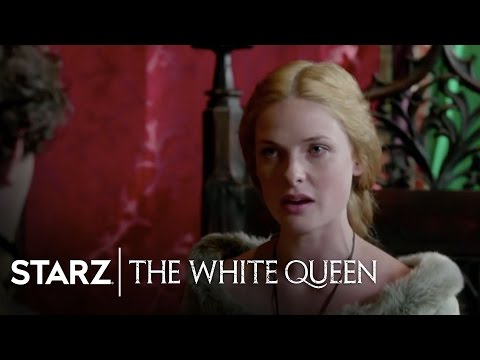
The White Queen | Official Trailer | STARZ
Seasons



Cast

Rebecca Ferguson
Elizabeth Woodville

Max Irons
Edward IV of England

Amanda Hale
Margaret Beaufort
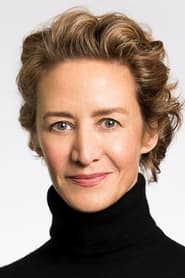
Janet McTeer
Jacquetta of Luxembourg

James Frain
Richard Neville
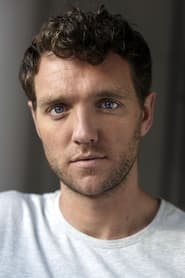
Tom McKay
Jasper Tudor
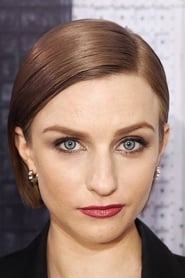
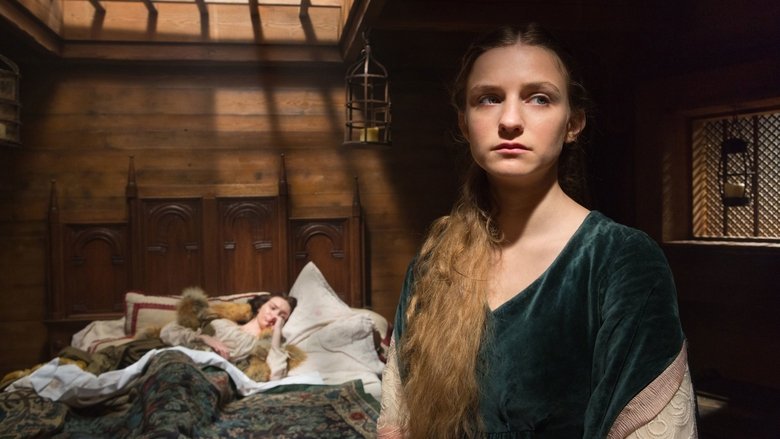
Faye Marsay
Anne Neville
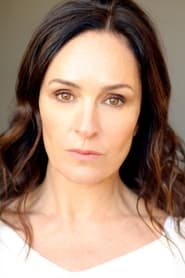
Juliet Aubrey
Anne Beauchamp

Aneurin Barnard
Richard III of England
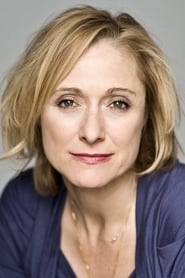
Caroline Goodall
Cecily Neville

Rupert Graves
Thomas Stanley
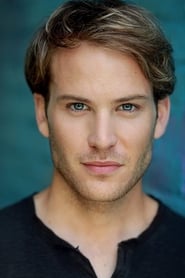
Ben Lamb
Anthony Woodville

Michael Maloney
Henry Stafford

David Oakes
George Plantagenet
Eve Ponsonby
Mary Woodville
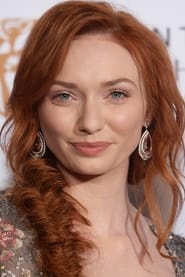
Eleanor Tomlinson
Isabel Neville
More Like This

Reviews
Filipe Manuel Neto
**A well-made miniseries about women and their political role at a troubled time in history.**
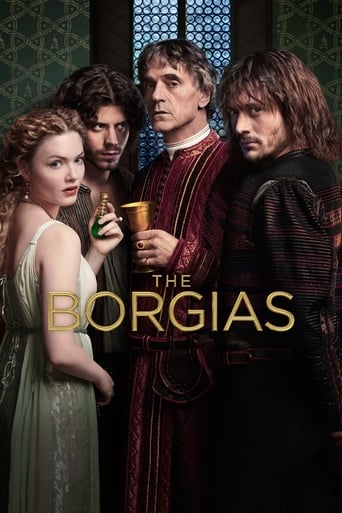
I've seen a few period series, and almost all of them stand out for the same reasons and fall into the same traps. I remember, in particular, the famous and successful series _The Tudors_ and another, less well-known, _The Borgias_, but there are others. And after seeing these series, I feel that they are similar to each other, although they address different times, contexts, figures and geographies. Some even say, and I understand why, that this miniseries (one season, ten episodes) is a prequel to _The Tudors_. It's not, the cast or crew are different, but it could be.
The historical period covered, of about thirty years, begins with the accession to the throne of the House of York by the hand of Edward IV, after the deposition of the unstable King Henry VI and the first phase of the Wars of the Roses. Much of the series will focus on the figure of this willful and charismatic monarch and his military chief, Richard Neville, Earl of Warwick. However, the main dish of the series is the women and their ability to influence: the king makes a debatable marriage with Isabel Rivers, harming Warwick's interests and creating a rivalry between the Neville and Rivers clans. The “kingmaker” will then go to France, kneeling before another powerful woman: Margaret of Anjou, wife of the deposed king, who used her connections to French royalty to raise money, supporters and troops for the House of Lancaster.
At a time when nobles had the power and money to arm troops for themselves, the support of the high nobility dictated the tide of events. The series shows this through the Stanleys (two brothers who, by strategy, place themselves on both sides of the conflict) and the Nevilles, who give Henry VI the means for a brief restoration that ends in his death, in the Tower of London, and in the death of Richard Neville at the Battle of Barnet. This neutralized this family power, with their daughters marrying York princes, who divided the family heritage and put it in the Crown assets. However, and staying true to the material of novelist Philippa Gregory, the series gives relevance to these ladies, particularly Anne Neville, who marries the Lancastrian heir and, after being widowed, the future Richard III. Personally, I have a lot of doubts here: everything indicates that Anne, far from being the strong and influential woman shown, was just a pawn in a game where she had little to say. The series ends with the defeat and death of Richard III at the hands of Henry Tudor's troops.
I apologize if I exaggerated the analysis of the historical facts, but being a historian, I thought it was pertinent to talk a little about it. On the other hand, I feel that I am not saying anything that cannot be learned from the Internet or from a good English history book. The series is good and interesting, although I have noticed some mistakes that are not understandable: women with their heads uncovered, nobles fighting on foot and without helmets, breeds of dogs that did not exist at the time, etc. It is in these details that we observe the ability of a series to be faithful to historical truth. Even so, the series fared somewhat better at this point than _Tudors_.
The cast is good, although sometimes the performances are anachronistic (the characters sound and behave like people of our time) and dialogues are cheesy. Rebecca Ferguson deserves applause for a job well done and convincing, as do Max Irons, Aneurin Barnard, David Oakes, Tom Mckay, Rupert Graves and James Frain. The actors gave themselves to the characters and tried to be authentic, although they may not have always received the best material. On the negative side, Amanda Hale exaggerates and makes her character a fanatic on the verge of madness and Faye Marsay does what she can with her character, but takes on increasingly contemporary attitudes and gestures. I liked Janet McTeer's work, but I preferred a French-speaking actress in the role, because the character featured was French by origin.
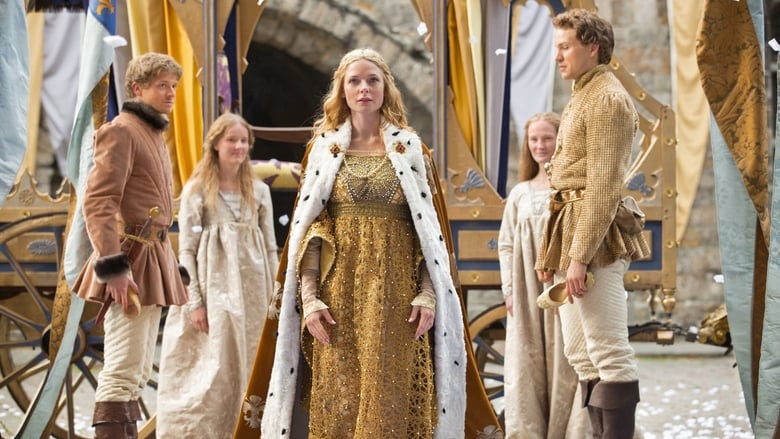
Technically, the series is quite elegant and makes the best use of the Belgian settings where it was filmed, between Ghent, Bruges and Ypres. Equally well-made, the costumes seem appropriate for the time, except for the glaring absence of hats and head coverings or veils, an essential part of fashion at the time, as the painting so expressively reveals to us. The photography and filming work was very well done, the effects work well, the opening credits design is very well done, and the soundtrack is reasonably good.
CinemaSerf
With the deposition of Henry VI, England’s 15th century Wars of the Roses have seen the Yorkists triumph over the Plantagenets and the young Edward IV (Max Irons) claim the throne. With just one more battle required to clinch his victory, he is riding through the countryside with his king-making Earl of Warwick (James Frain) when he encounters the Lady Elizabeth Grey (Rebecca Ferguson) who implores him to return her late husband’s lands. He’s impressed by her courage and enraptured by her beauty, and so despite the protestations of the Earl, he embarks on a relationship that sees her crowned Queen. Just because she has the throne, however, it doesn’t mean that she is accepted by the aristocracy or by her new family, and that becomes clear when the enmity of her new mother-in-law, the Duchess Cecily (Caroline Goodall) and of his brother George, Duke of Clarence (David Oakes) begins to embroil her in a series of duplicitous politicking that sees Warwick and her husband try to manoeuvre and out manoeuvre each other, egged on by players from France, Normandy and Burgundy. This is a period of history rich in intrigue and betrayal, where oaths mean little and family even less when the kingdom is at stake. Ferguson impresses here, and there’s an engaging chemistry between her and both Max Irons and Janet McTeer who, as her mother Jacquetta, introduces something of the superstitious to the plotting. The casting of Oakes and Aneurin Barnard as the brothers doesn’t fare quite so well, indeed Oakes really does disappoint as the conniving Clarence but as this is essentially a drama about the women in and around power at the time, that’s more than compensated by the likes of Amanda Hale’s Lady Margaret Beaufort; Veerie Baetens’s quite menacing Margaret of Anjou (wife of the deposed monarch) and both Eleanor Tomlinson and and Faye Marsay as the Warwick daughters brought into the game by their ever more manipulative father. It’s a classy looking enterprise with plenty of attention to the details of the production and though it is largely speculative and challenges many a more purist approach to what might be considered the “true” history of these events and people, this is a superior fact-based fiction that tells of a love story struggling to survive.
You've reached the end.