Seasons

Cast
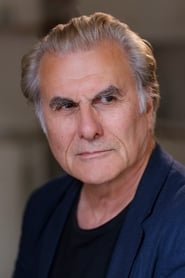
Oliver Cotton
Cesare Borgia
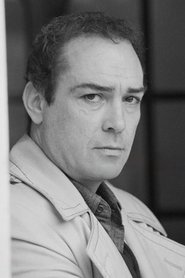
Maurice O'Connell
Michelotto

Anne-Louise Lambert
Lucrezia Borgia
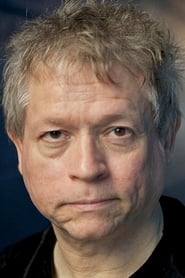
Louis Selwyn
Jofre Borgia
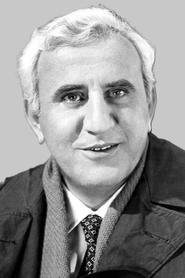
Adolfo Celi
Rodrigo Borgia
Ralph Nossek
Johann Burchard
Eleanor David
Sancia
Barbara Shelley
Vannozza Canale

Alfred Burke
Giuliano della Rovere
Clive Merrison
Ascanio Sforza
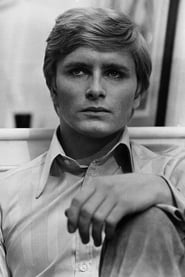
Martin Potter
Paolo Orsini
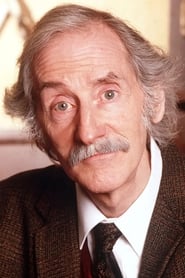
Peter Benson
Gaspare Pato

Nicholas Le Prevost
Baglioni
More Like This





Reviews
CinemaSerf
The BBC took quite a few risks with this ten part dramatisation of the lives of the infamous Borgia family that dominated Vatican politics in the late 15th century. Aside from established "Bond" villain Adolfo Celi as patriarch Alexander VI, they avoided using a cast of familiar-faced actors to tell this story and it largely works. It starts with the death of Innocent VIII and takes us through the machinations of the electoral college which serves well to introduces to the other players: sons Cesare (Oliver Cotton) and Jofre (Louis Selwyn) and daughter Lucrezia (Anne-Louise Lambert) as well as his principal cardinal antagonists for the throne of St Peter - Orsini (Martin Potter) and Della Rovere (Alfred Burke) - all of whom feature prominently as we proceed through a pint-sized guide to European dynastic politics. What Celi delivers right from the outset is a characterful demonstration of a man who is as meticulous as he ruthless - but he is hardly unique on that score amongst a cardinalate that was much more about political power, wealth and nepotism than it had anything to do with Jesus or his father. Unlike many of their earlier grand scale dramas, the one ventured outdoors far more, used real locations and the standard of studio set productions is much enhanced from the days of wobbly walls and dangling booms. The writing is kicked off by the steady hand of John Prebble who introduces us to some of history's most remarkable personalities before Ken Taylor picks up that mantle and takes us through the decline of the family following Alexander's death. Celi is on great form as the manipulative pontiff, but it's Cotton's Cesare that stands out as the ambitious and malevolent henchman who starts out a cleric but is clearly destined for a much more "hands-on" role supporting his father's papacy. There's some casual nudity and a bit of sex, but that all rather underwhelms as it doesn't seem to be a main focus of director Brian Farnham. He, luckily, seems way more intent on delivering a drama that deals with the personalities involved and their frequently toxic and violent manoeuvrings. Nobody knew anything about CGI in 1981, so sure - some of the combat scenes do look a little choreographed, and the photography can be a bit ropily lit at times, but this is still a fine example of the ambitious, and doubtless expensive, dramas the Corporation once embarked upon where emphasis was put fairly and squarely on solid writing and strong acting performances across the board. Most of the history is well enough known, but there's still room for some creative licence (or licentiousness) and I think this still delivers the story of this dog-eat-dog world of hypocrisy and power brokering entertainingly.
You've reached the end.