Games Britannia

200959m

Historian Benjamin Woolley unravels the cultural and social significance of popular games in Britain from the Iron Age to the Information Age.

Production

Logo for BBC Productions

Seasons

3 Episodes • Premiered 2009

Still image for Games Britannia season 1 episode 1: Dicing with Destiny

1. Dicing with Destiny

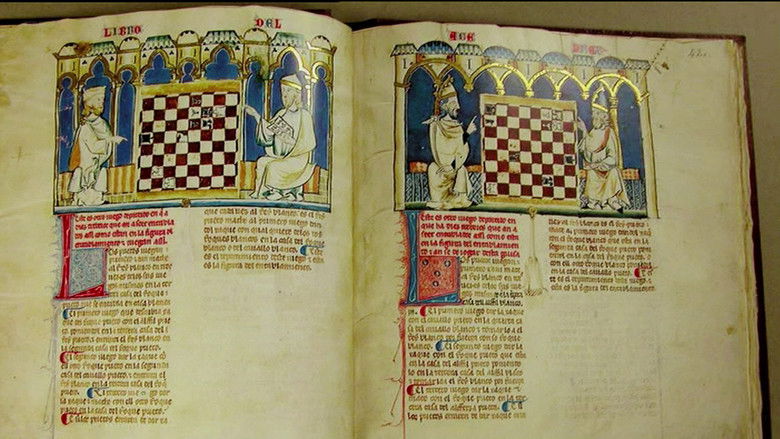
Games held a spiritual element from ancient times that by the late Middle Ages gave way to gambling. Victorian backlash against dice and card games sought to reposition games as moral educational tools.

Still image for Games Britannia season 1 episode 2: Monopolies and Mergers

2. Monopolies and Mergers

Britain exported the moral instructional board game to America, where it was adapted to celebrate wealth and free enterprise in the best-selling game Monopoly. Cluedo, Scrabble, and Monopoly went on to become enduring British family favourites post-war. In the 1980s game development began turning toward fantasy role-playing and computer games.

Still image for Games Britannia season 1 episode 3: Joystick Generation

3. Joystick Generation

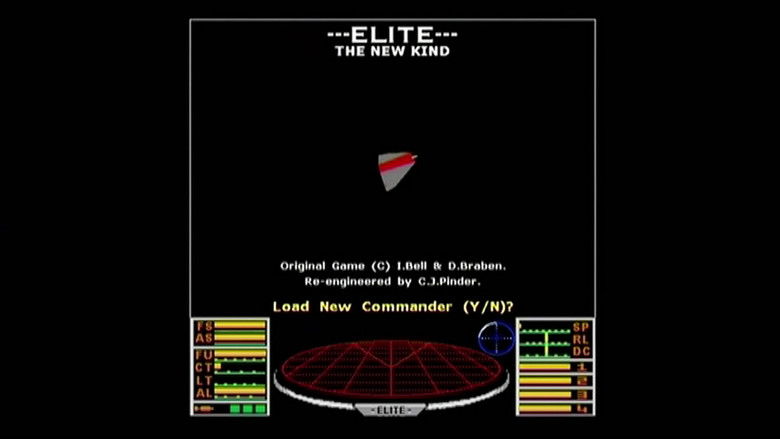
Fantasy role-playing games developed predominantly in America while the British begin turning their attention to computer games. From early titles like Elite to popular characters like Lara Croft who broke out into the wider entertainment world, Britain's video games harnessed the power of our imagination. The Internet age propelled us to today, where our morality is tested in the world of Grand Theft Auto, and our digital selves interact with virtual realms like Runescape and World of Warcraft.

Reviews

No reviews available yet.