The Wandering Jew
Old Jerusalem: Matathias, spiteful over his lover's illness, spits on Jesus along the road to Calvary, and is cursed to live endlessly until His return. The Crusades, 1150: Matathias, now an anonymous knight, competes for glory in combat and for the wife of a soldier. Palermo, 1290: Matteos Battadios witnesses the death of his young son, leading to conflict with his wife over whether to take comfort in Christianity. Seville, 1560: Dr Matteos Battadios dedicates himself to the treatment and comfort of the poor, but his life and work are endangered by the arrival of the Spanish Inquisition.
Cast

Conrad Veidt
Matathias / The Unknown Knight / Dr Matteos Battadios

Marie Ney
Judith (Phase I)
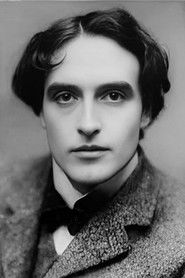
Basil Gill
Pontius Pilate (Phase I)

Anne Grey
Joanne de Beaudricourt (Phase II)
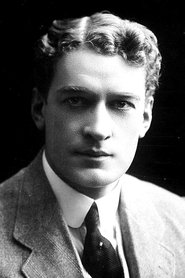
Bertram Wallis
Boemund, Prince of Tarentum (Phase II)
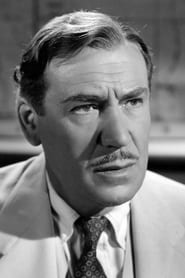
Dennis Hoey
Lord de Beaudricourt (Phase II)

Jack Livesey
Godfrey, Duke of Normandy (Phase II)
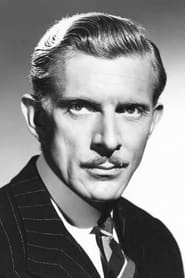
Alan Napier
Knight (Phase II)

Joan Maude
Gianella (Phase III)
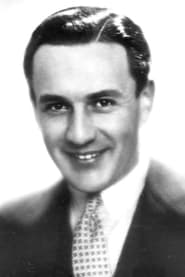
John Stuart
Pietro Morelli (Phase III)
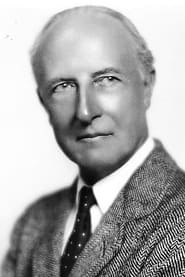
Arnold Lucy
Andrea Michelotti (Phase III)

Hay Petrie
Merchant (Phase III)

Peggy Ashcroft
Olalla Quintana (Phase IV)

Francis L. Sullivan
Juan de Texada (Phase IV)
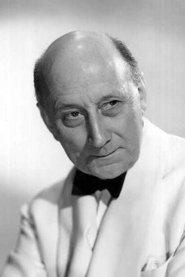
Felix Aylmer
Ferera (Phase IV)
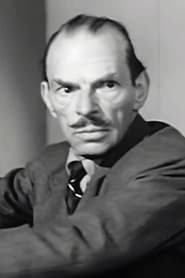
Ivor Barnard
Castro (Phase IV)
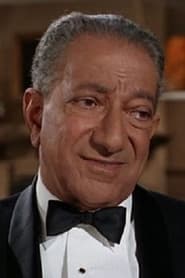
Abraham Sofaer
Zapportas (Phase IV)
More Like This











Reviews
CinemaSerf
Told in an historically episodic fashion, Conrad Veidt depicts the Jewish man "Matathias", who helped to convince Pilate to crucify Jesus. By way of punishment, he is condemned to walk the Earth facing, enduring and surviving many of the trials that faced his race as history marched on. It is a history, of sorts. Many of the events depicted are reflections of true events - pogroms, the Spanish inquisition etc., but it's the way in which he lives his life, yearning for release - however that may manifest itself - that makes this a decent film to watch and Veidt manages this amalgam of roles quite skilfully. You can see a few short cameos from Peggy Ashcroft and Francis L. Sullivan that help to enhance this depiction of the chronology of the persecution - and persevenence - of his race, too. I don't take this film as a seriously evaluative (of religion) piece of cinema. Though overtly Christian in outlook, it is not a ram-it-down-your throat type of production. It has enough romance and adventure to keep it from moralising too much - and to keep it enjoyable to watch. I found the use of light especially effective throughout, but potently when inflicting and then rescinding his punishment and although the ending spoils it somewhat - it is abrupt, and asks way more questions than it answers - I suspect it pleased our immortal pilgrim.
You've reached the end.