
Cast

Lizabeth Scott
Joan

Jane Greer
Diane
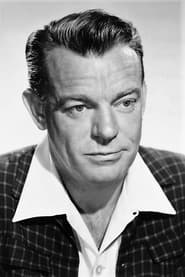
Dennis O'Keefe
Larry

Fay Baker
Tilly
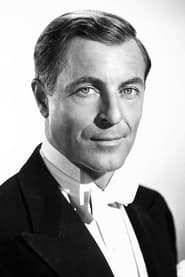
John Hoyt
Judge Kendall
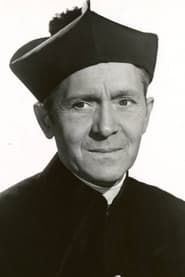
James Bell
Mr. Neeley
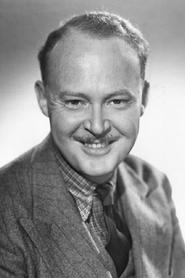
Don Beddoe
Jamieson
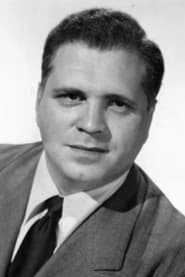
Bert Freed
Smitty

Irene Tedrow
Mrs. Seeley

Marjorie Wood
Mrs. Haley

Virginia Farmer
Mrs. Harris
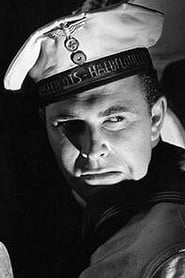
Eric Alden
Sergeant of Detectives (uncredited)
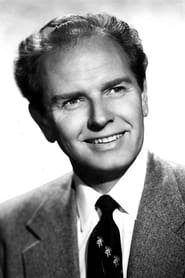
Parley Baer
Steve (uncredited)
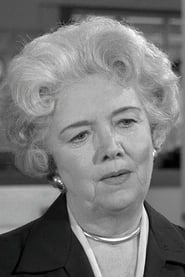
Lela Bliss
Window Shopper (uncredited)
Gail Bonney
Nurse (uncredited)

Beau Bridges
Obie, Boy at Train Station (uncredited)

Jeff Bridges
Infant at Train Station (uncredited)

Helen Brown
Nurse Helen Johnson (uncredited)
Harry Cheshire
Cliff Martin (uncredited)

David Clarke
Detective Barkley (uncredited)
More Like This









Reviews
John Chard
The Parole Paranoia.
The Company She Keeps is directed by John Cromwell and written by Ketti Frings. It stars Lizabeth Scott, Jane Greer and Dennis O’Keefe. Music is by Leigh Harline and cinematography by Nicholas Musuraca.
Released from prison after serving two years, Mildred Lynch (Greer) changes her name to Diane Stuart and sets out for a new start in Los Angeles. Assigned a friendly parole officer, Joan Willburn (Scott), who finds Diane work in a local hospital, Diane struggles to take to Joan and suffers from paranoia as to how the public are going to perceive her. Things get considerably murkier when Diane begins a love affair with Joan’s boyfriend, Larry Collins (O’Keefe)…
A waste of potential, a film featuring two noir darlings and one tough guy noir actor should have more about it than merely playing out as a weak willed melodrama. The annoyance is further compounded by the fact that ace cinematographer Musuraca works his magic for many passages of the story, putting tightly fitted noir visuals to scenes involving prison cells and the darker recesses’ of the hospital where Diane works. In fact the last twenty minutes, guff laden ending not withstanding, is worth time spent with picture purely because of Musuraca.
It’s not as if the acting is bad, where even though I agree wholeheartedly with those who think Greer and Scott should have swapped roles, both the girls do good work here, as does O’Keefe, who has the problem of having both Greer and Scott lusting after him! But nobody is done any favours by Harline’s score, the usually skilled composer lays over the top of proceedings a score that would be more at home in a 1940s romantic comedy.
Where there should be intelligent observations on the justice system, and the problems of parolees fitting back into society, there is instead a love triangle that lacks any suspense or a semblance of edginess, the writer evidently afraid to spice things up and do justice to the noir potential of the idea.
Fans of the leading ladies and Musuraca should just about find it watchable, but frustration is almost certainly guaranteed as well. 5/10
You've reached the end.