The Big Broadcast of 1936
A musical meteor of songs, comedy and romance!
Two-bit radio station owner Spud Miller doubles as the station's sole announcer. On the verge of bankruptcy, Spud is receptive to the wacky notions of George and Gracie, who've just invented a television device that can pick up and transmit any signal, any time, anywhere.
Production

Production
Cast
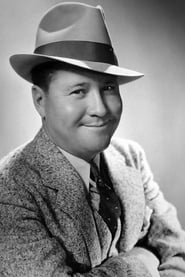
Jack Oakie
Spud Miller
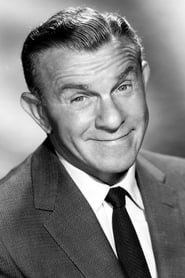
George Burns
George

Gracie Allen
Gracie
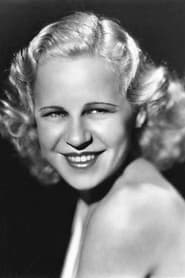
Lyda Roberti
Countess Ysobel de Naigila

Wendy Barrie
Sue
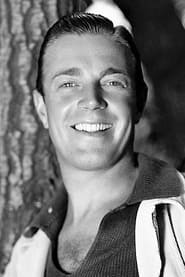
Henry Wadsworth
Smiley Goodwin

C. Henry Gordon
Gordoni
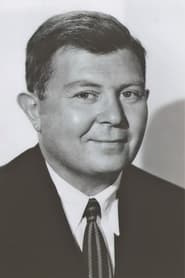
Benny Baker
Herman
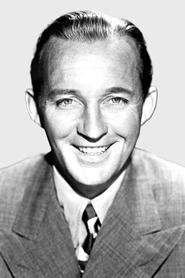
Bing Crosby
Bing

Ethel Merman
Ethel Merman

Mary Boland
Mrs. Sealingsworth
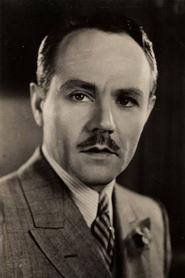
Charles Ruggles
Wilbur Sealingsworth
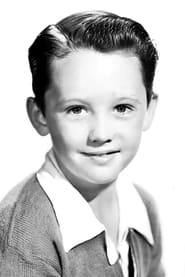
David Holt
Brother

Virginia Weidler
Little Girl in Hospital
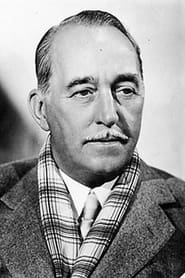
Guy Standing
Doctor

Gail Patrick
Nurse
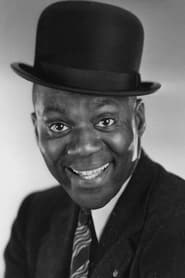
Bill Robinson
Specialty
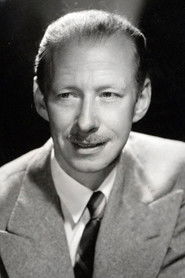
Ray Noble
Band Leader

Ina Ray Hutton
Ina Ray Hutton

More Like This
















Reviews
CinemaSerf
To be fair to director Norman Taurog, at least he has tried to inject the semblance of a story into this otherwise entertaining but routine revue-style film showcasing a plethora of talent strutting their stuff! That story is put into the safe hands of George Burns and Gracie Allen who have invented a gizmo that could give Orwell’s “Big Brother” a run for its money! Not only can it intercept transmissions from anywhere in the world, but it can see what is going on in the privacy of people’s living rooms. This is of great interest to the sceptical radio entrepreneur “Spud” (Jack Oakie) who sees great potential for it to help him win a competition worth $250,000 of advertising revenue. There are loads of familiar faces playing straight and comic roles throughout this feature and in many ways it offers us quite an interesting look at just how important radio was in 1935. Some of it, tap-dancing for example, did not seem the most obvious to work on the wireless, but by manufacturing audience scenarios via his “Radio Eye”, we are led to appreciate just how popular many of those more visual acts were. There’s plenty of humour here ranging from the slapstick to the witty; Ethel Merman belts out “It’s the Animal in Me”, Bing Crosby croons “I Wished on the Moon” and although it is an easy enough watch, it did strike me as being more of a celebration of the theatre rather then the silver screen. An engaging anthology of what we watched back then, but maybe not one you’d need to watch too often.
You've reached the end.