
Cast

Anita Ekberg
Zenobia, Queen of Palmira

Georges Marchal
Marcus Valerius, Roman Consul
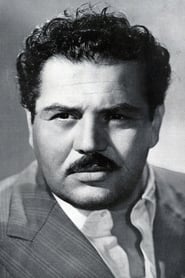
Folco Lulli
Zemanzius, Zenobia's Prime Minister

Jacques Sernas
Julianus, Roman Centurian

Lorella De Luca
Bathsheba, the Vestal

Alberto Farnese
Marcello
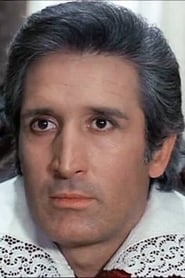
Mimmo Palmara
Lator
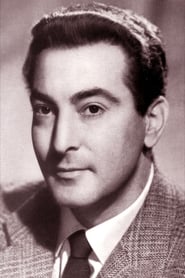
Alfredo Varelli
Vithos

Remo De Angelis
Julianus' Friend
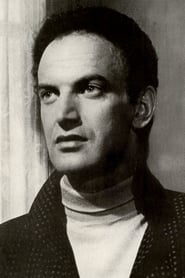
Paul Müller
High Priest

Chelo Alonso
Erica, Zemanzius' Favourite and Dancer
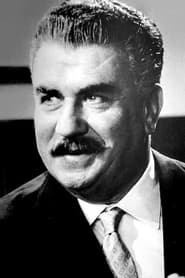
Gino Cervi
Aurelianus, Emperor of Rome

Relja Bašić
Soldier (uncredited)
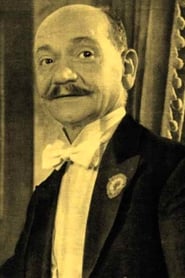
Arturo Bragaglia
Nobleman (uncredited)

Angelo Casadei
General (uncredited)
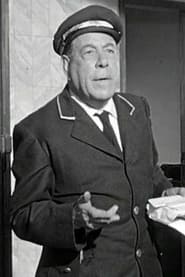
Aristide Catoni
Senator (uncredited)
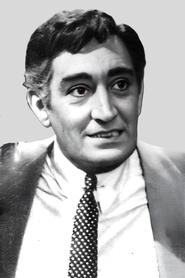
Arturo Dominici
Zenobia's Officer (uncredited)
Armando Fracassi
Servant (uncredited)
Terzo Monachesi
Senator (uncredited)
More Like This













Reviews
CinemaSerf
Roman consul "Marcus Valerio" (Georges Marchal) finds himself captured and tortured by "Zenobia" (Anita Ekberg), the warlike Queen of the rebelling Palmyra. Rather than just crucify him, though, she reckons he might be of some use as they plan to defeat their enemy in an even bigger battle yet to come and so secure their freedom. He's very easy on the eye is old "Marcus", and the Queen promptly takes a bit of a shine to him - despite the protestations of her scheming minster "Semanzio" (Folco Lulli). Pretty swiftly we are let into the truth about the Roman's mission in her kingdom, but just as with the queen, he too is becoming just a bit conflicted. Can he save her without losing his honour and betraying his own people? Can she survive the machinations of her warlike advisor and save her new love? Well none of that is really in jeopardy at any point in this amiably colourful piece of peplum, but the writing (from Sergio Leone, no less) and the acting are really pretty woeful and there's not the slightest jot of chemistry between the wooden as a post Marchal and an Ekberg who really did look like she was there for the cash and the holiday. There are some enjoyably photographed and staged battle scenes at the end with flames and catapults a-plenty and though it could never be called good, it's by no means the worst of these 1950s sword and sandal efforts.
You've reached the end.