Trailers & Videos
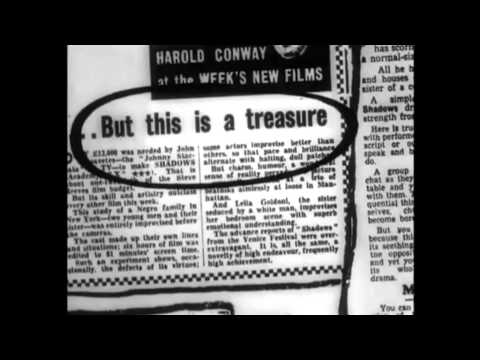
Shadows (1959) - trailer
![Thumbnail for video: Shadows (1959) ORIGINAL TRAILER [HD 1080p]](https://img.youtube.com/vi/aheU7PJK-Is/hqdefault.jpg "Thumbnail for video: Shadows (1959) ORIGINAL TRAILER [HD 1080p]")
Shadows (1959) ORIGINAL TRAILER [HD 1080p]
Martin Scorsese on John Cassavetes
Cast
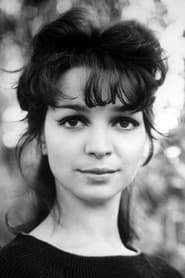
Lelia Goldoni
Lelia
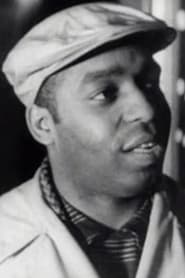
Hugh Hurd
Hugh
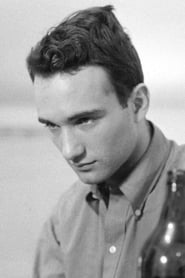
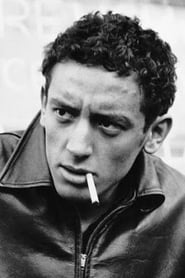
Anthony Ray
Tony
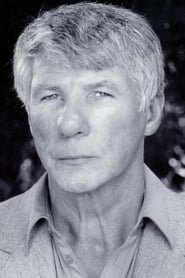
Tom Reese
Tom
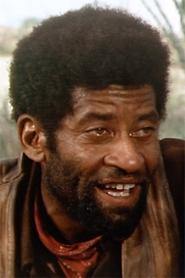
Rupert Crosse
Rupert

Lynn Hamilton
Girl at Party
Joanne Sages
Girl at Party
Greta Thyssen
Girl at Party
John Cassavetes
Pedestrian (uncredited)
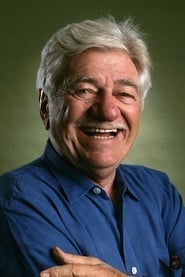
Seymour Cassel
Al (uncredited)
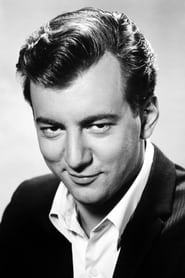
Bobby Darin
Man at Rehearsal (uncredited)
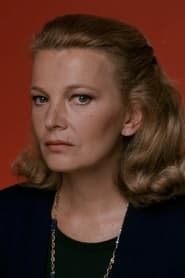
Gena Rowlands
Woman in Nightclub Audience (uncredited)
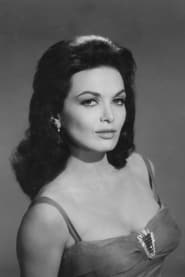
Lisa Seagram
Woman (uncredited)

Jean Shepherd
Man at Party (uncredited)

Mel Stewart
Man at Party (uncredited)
More Like This






Reviews
CinemaSerf
On paper, this jazz-fuelled, experimental looking, observation of racial tensions within a small group of friends made for an interesting concept. The execution though, well I found that really quite messy. There's three siblings. "Benny" (Ben Carruthers); "Hugh" (Hugh Lord) and "Leila" (Leila Goldoni) with the sister having a far fairer skin tone than her brothers. "Benny" is a bit of a loose cannon, going with the flow in life; "Hugh" is a musician who is having a bit of a crisis of confidence that not even his supportive manager "Rupert" (Rupert Cross) can pull him from and finally there's the sister. She meets "Tony" (Anthony Ray) and falls completely for his charms. When he meets her brothers, however, there's an immediate sense of hostility. Not a violent one, especially, just one with pretty clear racial undertones that sets the scene for a drama to unfold in a meandering yet at times quite potent fashion. "Leila" finds herself caught up between her family and her lover and as the temperature gradually rises and the jazz accompaniment - trumpets particularly - gets more frenzied, this all encourages the dynamic of the story to become more turbulent and unsettling. So far, so good. It's just the acting. It's not very good nor is it very natural. There's a constant fluidity to the scenario that doesn't tally when "Leila" becomes smitten. It's never a plausible definite in this story of transience and movement, and way too much of the atmosphere here comes from the soundtrack - performances are almost incidental save for a few brawling scenes that seem to suggest that's mankind's solution to everything. It is innovative, I'd give it that, but John Cassavetes fails to invest his characters with any qualities that made me want to care, one way or the other, so i just didn't.
You've reached the end.