King: A Filmed Record... Montgomery to Memphis
Constructed from a wealth of archival footage, the documentary follows Dr. Martin Luther King, Jr. from 1955 to 1968, in his rise from regional activist to world-renowned leader of the Civil Rights movement. Rare footage of King's speeches, protests, and arrests are interspersed with scenes of other high-profile supporters and opponents of the cause, punctuated by heartfelt testimonials by some of Hollywood's biggest stars.
Available For Free On

Trailers & Videos

King: A Filmed Record... Montgomery to Memphis – Trailer
Cast
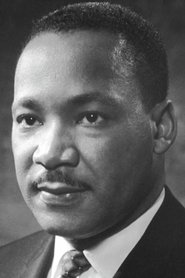
Martin Luther King Jr.
Self (archive footage)
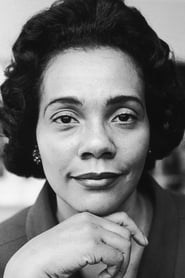
Coretta Scott King
Self (archive footage)
Yolanda King
Self (archive footage)
Martin Luther King III
Self (archive footage)
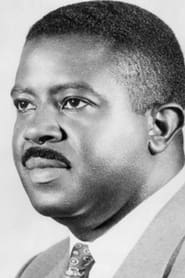
Ralph Abernathy
Self (archive footage)

Joan Baez
Self (archive footage)
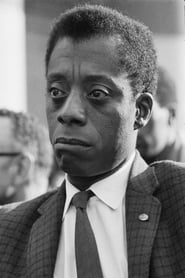
James Baldwin
Self (archive footage)
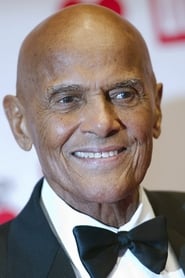
Harry Belafonte
Self (archive footage)
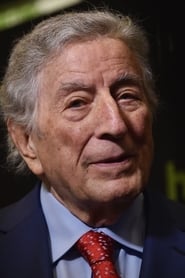
Tony Bennett
Self (archive footage)
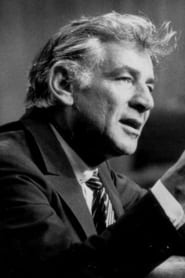
Leonard Bernstein
Self (archive footage)
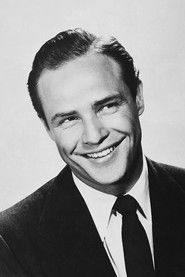
Marlon Brando
Self (archive footage)
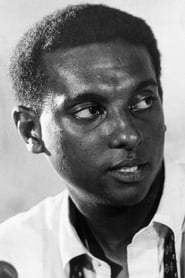
Kwame Ture
Self (archive footage)
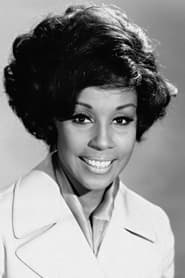
Diahann Carroll
Self (archive footage)
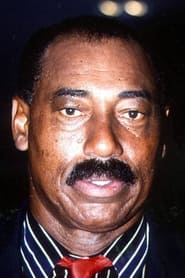
Wilt Chamberlain
Self (archive footage)
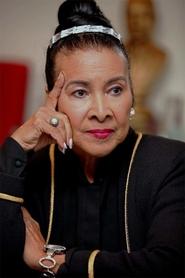
Xernona Clayton
Self (archive footage)
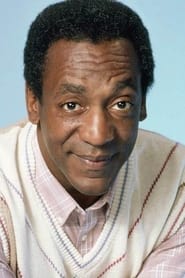
Bill Cosby
Self (archive footage)
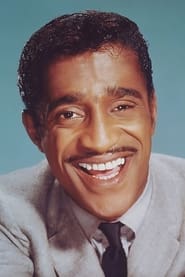
Sammy Davis Jr.
Self (archive footage)
Ruby Dee
Self (archive footage)
James Garner
Self (archive footage)
Ben Gazzara
Self (archive footage)
More Like This










Reviews
CinemaSerf
I’m not sure this is an actual documentary. It has no editorial or narrative structure per se, what it presents us with is as comprehensive a chronology of Dr. Martin Luther King as it is possible to get. From his humble beginnings in an Alabama ridden with bigotry and strife, through to his assassination in 1968, this uses a phenomenal amount of archive research to illustrate the power of his oratory. His speeches are powerful and emotional, but they never come across as angry or provocative of violence. His strength of character and purpose in the face of a long-established racial belligerence is really quite well captured as the film includes the large scale “I Have a Dream” set-pieces to far more intimate and poignant comments to smaller groups, churches or even just to his aides and friends as he travels the length and breadth of the country extolling the virtues of freedom for all. That all isn’t just for folks of colour, but those being persecuted for their religious beliefs too, or being disadvantaged because of their sex or social status. It’s hard to imagine who might actually watch all of this now, it is a long haul, but it goes quite some way to testifying just how effective oratory can be when delivered confidently and proudly to an audience eager to engage. There is enough annotation to help advise on the locations and timelines, and there are a few - slightly unnecessary, I felt - staged readings from the likes of Charlton Heston and James Earl Jones to help, as does the latter archive footage, demonstrate that his optimism wasn’t just inspiring those African Americans, but plenty from the descendants of it’s European immigrant population too. It doesn’t attempt to analyse the man, his motives or his personal life but I don’t think that was anyone’s plan. It’s a vehicle for his passion, and it works powerfully.
You've reached the end.