I See a Dark Stranger
The woman hunt is on... For the girl with the little black book.
Proud Irishwoman Bridie Quilty journeys to Dublin while World War II rages across Europe. During her travels, she encounters J. Miller, who recruits her as a Nazi spy. She acquires the necessary information that leads to the breakout of a German spy who holds key information about the Allies' newest offensive plans. However, the arrival of British officer David Baynes and his romancing of Bridie lead to unexpected consequences.
Trailers & Videos
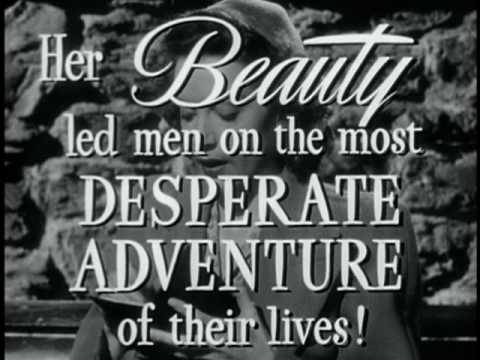
I See a Dark Stranger (1946) trailer
Cast

Deborah Kerr
Bridie Quilty

Trevor Howard
Lt. David Bayne

Raymond Huntley
J. Miller
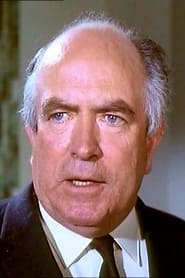
Liam Redmond
Uncle Timothy
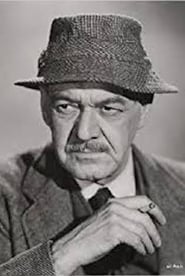
Brefni O'Rorke
Michael O'Callaghan
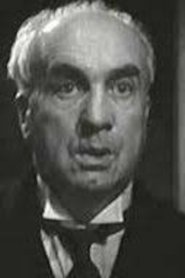
James Harcourt
Grandfather Edwards
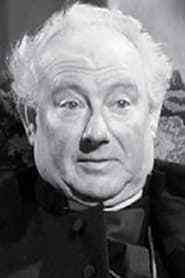
George Woodbridge
Walter
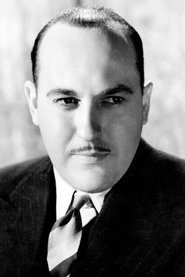
Garry Marsh
Capt. Goodhusband

Olga Lindo
Mrs Edwards
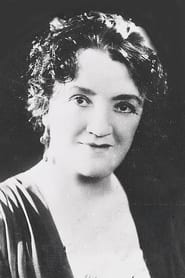
Marie Ault
Mrs O'Mara
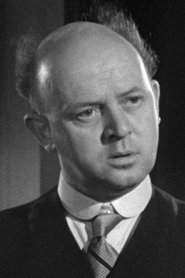
John Salew
Man in the Bookshop

David Tomlinson
Intelligence Officer
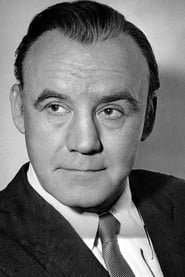
Torin Thatcher
Police Constable
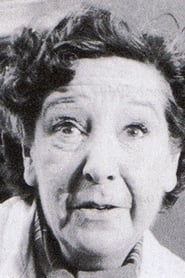
Everley Gregg
1st Woman on Train

Kathleen Boutall
2nd Woman on Train
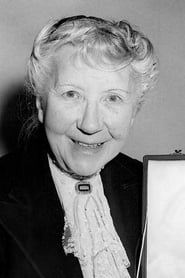
Katie Johnson
Old Lady on Train

Frank Atkinson
Soldier in Pub (uncredited)

Brenda Bruce
American Waitress (uncredited)
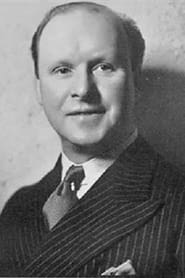
Cameron Hall
Tynwald Court Usher (uncredited)
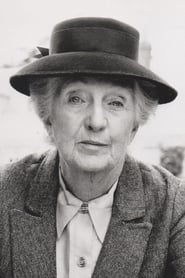
Joan Hickson
Hotel Manageress
More Like This
















Reviews
CinemaSerf
Putting the rather obvious historical gaffs to one side for two hours, this is quite an enjoyable story of "Bridie Quilty" (Deborah Kerr) who has grown up in Ireland listening to wonderfully gilded myths and legends of the revolution against the tyrannical English. On her 21st birthday, she determines to do her bit to ensure Irish freedom and so, to that end, travels to Dublin to try and enlist with the IRA. Not to be, but she has attracted the attentions of the manipulative Raymond Huntley ("Miller") - whom she met on her train - and is soon embroiled in a plot to spring a fella from jail and to, inadvertently on her part, assist the Nazis. She also encounters the British officer "Baynes" (Trevor Howard) whilst working in a the hotel near the jail from which their prisoner was to escape. Pretty quickly, everyone suspects everyone else and we are off on an adventure with an tiny bit of romance, too. It is a testament to Messrs. Launder and Gilliat that this story has enough truth - or plausibility, at any rate - about the scenarios to keep the plot interesting and Kerr is on decent form as the idealist young girl who has to learn fact from fiction quickly. We have stereotypes a-plenty to poke fun at (for they are there to inject humour, I felt, rather than offer any deep-meaning critique on the politics of neutral Ireland or colonial Britain) and the ending is probably fair!
You've reached the end.