Cameraman: The Life and Work of Jack Cardiff
In 2001 Jack Cardiff (1914-2009) became the first director of photography in the history of the Academy Awards to win an Honorary Oscar. But the first time he clasped the famous statuette in his hand was a half-century earlier when his Technicolor camerawork was awarded for Powell and Pressburger's Black Narcissus. Beyond John Huston's The African Queen and King Vidor's War and Peace, the films of the British-Hungarian creative duo (The Red Shoes and A Matter of Life and Death too) guaranteed immortality for the renowned cameraman whose career spanned seventy years.
Production

Production
Available For Free On

Cast
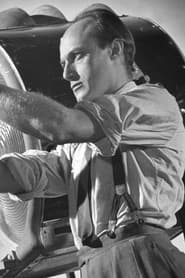
Jack Cardiff
Self
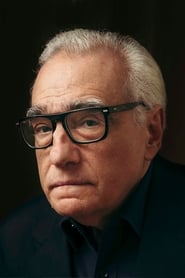
Martin Scorsese
Self – Interviewee

Kirk Douglas
Self – Interviewee

Lauren Bacall
Self – Interviewee
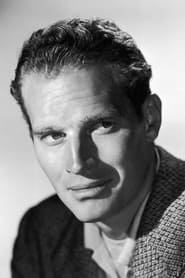
Charlton Heston
Self – Interviewee
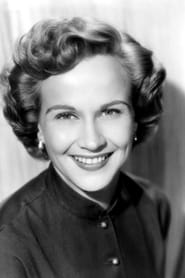
Kim Hunter
Self – Interviewee
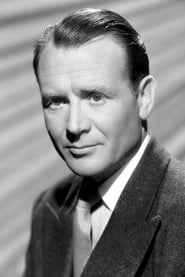
John Mills
Self – Interviewee
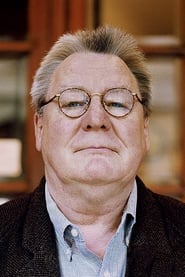
Alan Parker
Self – Interviewee
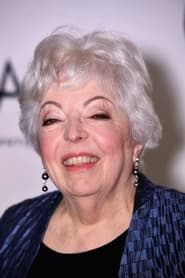
Thelma Schoonmaker
Self – Interviewee
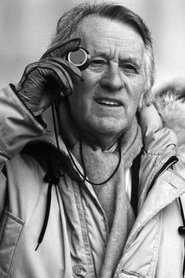
Freddie Francis
Self – Interviewee

Raffaella De Laurentiis
Self – Interviewee
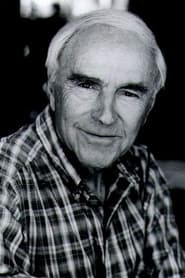
Richard Fleischer
Self – Interviewee
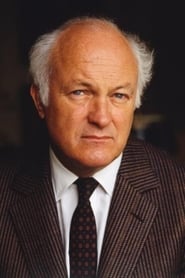
Peter Yates
Self – Interviewee
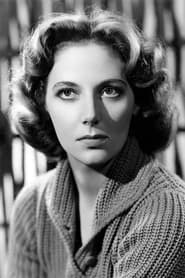
Kathleen Byron
Self – Interviewee
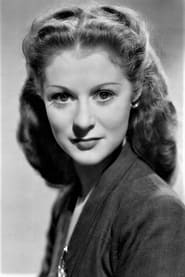
Moira Shearer
Self – Interviewee
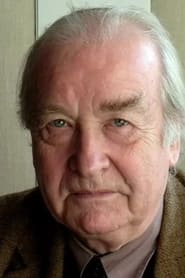
Michel Ciment
Self (archive footage)
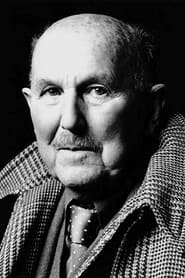
Michael Powell
Self (voice) (archive sound)
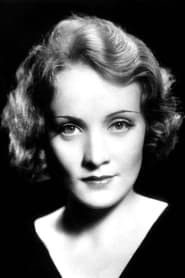
Marlene Dietrich
Countess Alexandra Vladinoff (archive footage)
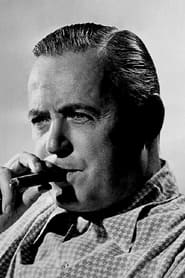
Henry Hathaway
Self (archive footage)
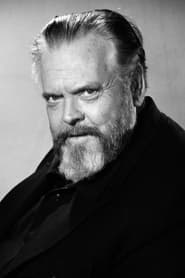
Orson Welles
Genghis Khan / Bayan (archive footage)
More Like This


Reviews
CinemaSerf
As much as this is a testament to the skilful artistry of Jack Cardiff, it also serves as quite an illustrative history of cinema in general. Initially selected by Technicolor to be their first trained operator in Britain, he proceeded to work with some of the most noted directors - Alfred Hitchcock, Powell & Pressburger, John Huston, Henry Hathaway - in an industry that was just coming to terms with the concept of colour photography when he started. By the time he was established, it was he who was setting the standards for innovative cinematography. Contributions from the likes of Lauren Bacall, Kirk Douglas and an extended chat with Martin Scorsese all help us to understand the genius of this otherwise rather understated man who admitted a limited grasp of the technical sides of the business, but boasted a through knowledge of just how light and shade, colour and shadow could all contribute to some of the most masterfully lit imagery - think "Black Narcissus" (1947) - that the big screen has ever seen. What's also clear from this chronology is the wide range of topics to which he could turn his hand. From "The African Queen" (1951) deep in the Congo jungle to John Wayne and Sophia Loren's "Legend of the Lost" adventure from 1957, he tried his best to make them all look like the stars they were. His initial attempts at direction weren't so hot until his multi-Oscar nominated "Sons and Lovers" (1960) which saw him nominated as director but which actually won for Freddie Francis as, well, the cinematographer! The archive is stitched together well here and Craig McCall allows Cardiff himself to do most of the reminiscing in a fashion that seemed to rather sum up a man who had a great and joyous adventure with some of the most famous and glamorous people to grace the silver screen - without it turning his head in the slightest. Modest and engaging - a man well worth following for ninety minutes.
You've reached the end.