Trailers & Videos
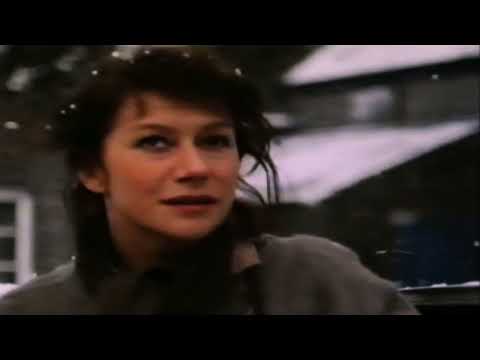
Cal (1984) - Movie Trailer (Film 4 Television Network)
Cal (1984) - trailer Cinemax
Cast

John Lynch
Cal

Helen Mirren
Marcella
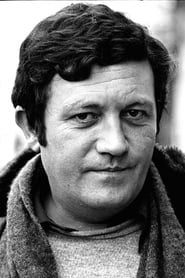
Donal McCann
Shamie
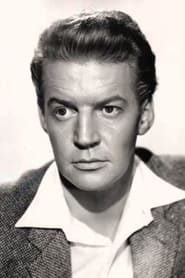
Ray McAnally
Cyril Dunlop

John Kavanagh
Skeffington

Stevan Rimkus
Crilly
Louis Rolston
Dermot Ryan
Tom Hickey
Preacher

J.J. Murphy
Man in Library
Brian Munn
Robert Morton

Daragh O'Malley
Scarfaced Policeman

George Shane
Second Policeman

Julia Dearden
Shop Assistant
More Like This


Reviews
CinemaSerf
Catholic “Cal” (John Lynch) lives with his father (Donal McCann) in an overwhelmingly Protestant area under constant threat of being burned out. They are determined not to be forced from their home, even when things turn violent, but this isn’t the young man’s only exposure to thuggery. He has been a driver for Republican hit-man “Crilly” (Stevan Rimkus) and his boss “Skeffington” (John Kavanagh) and that has left him with a dark secret to keep as well as a reluctance to join their crusade. Meantime, he has taken a bit of a shine to widowed local librarian “Marcella” (Helen Mirren) who lives out of town at her family’s farmhouse. Her husband was an RUC officer gunned down on his doorstep whilst her grandfather was also badly wounded. “Cal” now orchestrates a plan to befriend the woman and as the story develops, we learn more of what connects and may ultimately destroy the pair. Largely, I thought, down to Ray McAnally’s stoic “Dunlop”, this is quite a telling evaluation of the “troubles” in Northern Ireland (where it was considered too dangerous to actually film this). His characterisation of their farm manager brings home the realisation that there were “bastards on both sides”, and the random brutality - though stylised to avoid being excessive - goes some way to illustrate not just the hatred but also the extent to which that permeated through a society viscerally divided. Flags were symbols and weapons here as much as they ever were during the Battle of the Boyne. Mirren isn’t the best here. Her underwhelming efforts border on the simpering at times and with the denouement fairly obvious from the start, the story itself doesn’t really ever ignite. Mark Knopfler provided the score, but even that only really delivered a few recognisable bars now and again rather than anything more substantial, and maybe that just summed the whole thing up as a rather bitty romance set in what is little better than a guerrilla war zone. It is worth a watch and certainly resonated more as the IRA and a newly invigorated and re-elected British government showed little sign of compromise at the time, but even there it really underplays the sinister nature of what was every day life - for both traditions.
You've reached the end.