
Available For Free On

Trailers & Videos

Official Trailer

A Shot Through the Wall | Official Clip (HD) | Grand Jury
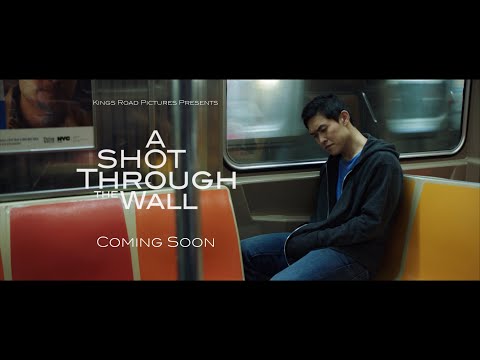
Trailer #1
Cast

Kenny Leu
Mike Tan

Ciara Renée
Candace Walker

Tzi Ma
Chow Tan

Fiona Fu
May Tan
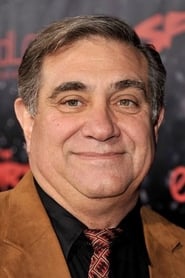
Dan Lauria
Ritchie Barrett
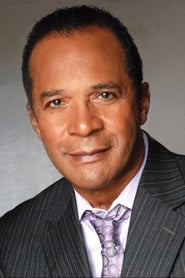
Clifton Davis
D.C. Walker

Lynn Chen
Grace Tan

Derek Goh
Ryan Doheney

Catherine Curtin
Cynthia Kostas

Damian Young
Bob Petke

Kelly AuCoin
Larry Berman

Michelle Wilson
Felicia Wiggins
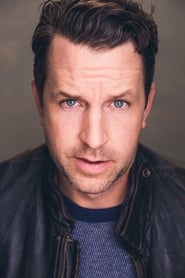
John Patrick Hayden
News Producer

Justina Adorno
Makeup Artist
Stephen Badalamenti
Doorman

Janie Brookshire
Holly Crane

Bill Buell
Gun Shop Owner

Ben Chase
Sound Guy
Lawrence Clayton
Preacher

Michael Elian
Bailiff
More Like This






Reviews
tmdb28039023
A Shot Through the Wall offers a third alternative on an issue traditionally seen literally in black-and-white terms. Casting a lead of Chinese descent couldn't be more natural for writer/director Aimee Long, but there's more to this decision than just ethnic identification; accordingly, police officer Mike Tan (Kenny Leu) is not limited by his cultural heritage: his partner who may or may not also be his best/only friend, Ryan Doheney (Derek Goh), is white; his fiancée Candace Walker (Ciara Renée) is biracial; and his superior and future father-in-law D.C. Walker (Clifton Davis) is African-American.
This carefully constructed microcosm comes tumbling down when, chasing a suspect through the hallways of an apartment building, Mike accidentally shoots through a wall and the stray bullet fatally lodges in one of the tenants, with part of the incident, including Mike’s and Ryan’s faces, being recorded on another tenant’s cell phone.
In theory, Mike will not face any consequences other than emotional and psychological ones; after all, “It's hard to prove [criminal] intent when you shoot someone through a wall.” This is, however, where Mike's ethnicity comes into play on different levels; story-wise, “The [police] department needed a scapegoat, they needed someone to throw to the wolves, so they found someone who they thought was expendable,” and storytelling-wise, Long needs a protagonist capable of generating pathos – something that would have been tantamount to a Herculean task had the protagonist been white.
A Caucasian hero would have been a distraction, and made the movie feel apologetic; as it turns out, taking sides is far from Long’s intention. This film is not black, white, blue or – at the risk of sounding politically incorrect – yellow; it’s not about the colors that divide us, but about two things that make us human: fallibility and accountability.
As much as Mike, apart from his possible incompetence when drawing his gun, may or may not deserve to be in this predicament, once being in it, he must make difficult decisions (e.g., use his girlfriend’s blackness in his favor) that could mean the difference between going to prison and going free; the question is, could Mike live, even in freedom, with the ramifications of his deliberate actions, or would it be easier to face the repercussions of a random act in exchange for a clear conscience? (the climax of A Shot Through the Wall is a bit of a cop-out, but it allows for a powerful final shot involving Mike's mother and that of his accidental victim).
You've reached the end.