Movies & TV Shows from Senegal

Movie
1966•
7.3
Black Girl
Eager to find a better life abroad, a Senegalese woman becomes a mere governess to a family in southern France, suffering from discrimination and marginalization.
Movie
2023•
6.6
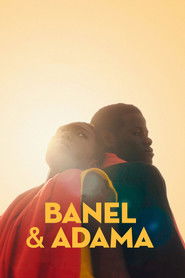
Banel & Adama
Chaos ensues shortly after a young man in a remote village in northern Senegal refuses to accept his role as the new village chief.

Movie
N/A
All Equal!
"All Equal!" is an evocative animated film that unfolds around a village fire where a grandfather narrates the poignant tale of his ancestors and their enslavement to his eager grandchildren. As the story begins, the children are transported to a time when their great-grandfather and his brothers were kidnapped by slave traders. The narrative takes them through harrowing scenes of captivity, forced labor, and the oppressive lives of enslaved in the masters' plantations. It vividly depicts the cruel reality of children and women being exploited and mistreated. Amidst this hardship, the grandfather's tale reveals a powerful revolution against their masters, leading to self-liberation and the founding of their own village. The animated journey, rich in historical and cultural significance, ends on a note of gratitude and reverence for the ancestors' indomitable spirit and their fight for liberty.
Movie
2012•
7.5
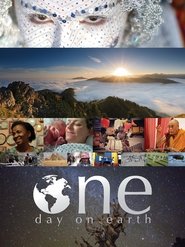
One Day on Earth
Recording a 24-hour period throughout every country in the world, we explore a greater diversity of perspectives than ever seen before on screen. We follow characters and events that evolve throughout the day, interspersed with expansive global montages that explore the progression of life from birth, to death, to birth again. In the end, despite unprecedented challenges and tragedies throughout the world, we are reminded that every day we are alive there is hope and a choice to see a better future together. Founded in 2008, it set out to explore our planet's identity and challenges in an attempt to answer the question: Who are we?
Movie
1995•
10.0
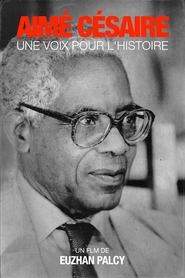
Aimé Césaire: A Voice for History
A three-part study that introduces audiences to the celebrated Martinican author Aimé Césaire, who coined the term "négritude" and launched the movement called the "Great Black Cry".
Movie
2019•
6.6
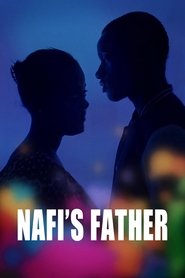
Nafi's Father
Tokara wants to marry his cousin, the beautiful Nafi, bringing their fathers into conflict with one another. The youngest brother is a clergyman, while the other is a candidate for Mayor of the small town in Senegal. The struggle seems to be all about the children, but gradually it transpires that the children are pawns in a bitter dispute. Can their family ties help them overcome these ideological differences?
Movie
2016•
5.9
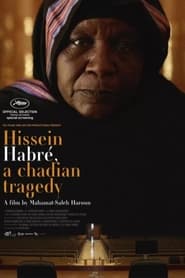
Hissein Habré, A Chadian Tragedy
In 2013, former Chadian dictator Hissein Habré’s arrest in Senegal marked the end of a long combat for the survivors of his regime. Accompanied by the Chairman of the Association of the Victims of the Hissein Habré Regime, Mahamat Saleh Haroun goes to meet those who survived this tragedy and who still bear the scars of the horror in their flesh and in their souls. Through their courage and determination, the victims accomplish an unprecedented feat in the history of Africa: that of bringing a Head of State to trial.

Movie
1994•
9.0
Sembène: The Making of African Cinema
Senegalese documentary about the country's most famous film-maker - Ousmane Sembène. The groundbreaking director explains his philosophy, politics and hopes for the future of African cinema.
Movie
2025
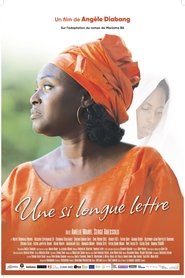
So Long a Letter
Ramatoulaye, a 50-year-old teacher, has been married to lawyer Modou Fall for 25 years. The couple is very close and happy. When her husband takes a second wife – her daughter's best friend – a struggle between tradition and modernity begins.
Movie
2012•
3.4
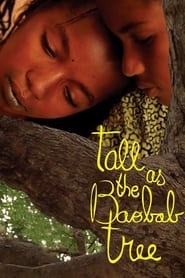
Tall as the Baobab Tree
In a rural African village poised at the outer edge of the modern world, a teenage girl hatches a secret plan to rescue her 11-year-old sister from an arranged marriage.
Movie
2022•
6.7
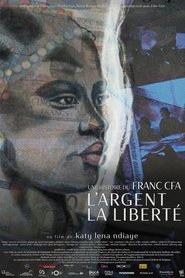
Money, Freedom, a Story of CFA Franc
The former French colonies in Central and West Africa have been independent since 1960, but most of these countries still use the currency of the former oppressor: the CFA franc. It was linked to the French franc when it was introduced, so the national bank in Paris controlled monetary policy. Now the currency has a fixed exchange rate with the euro. The link with the European currency strongly influences the monetary policy of CFA countries. And that means the value of the CFA franc is defined by political decisions taken elsewhere, rather than by the domestic economy.
Movie
2024•
8.5
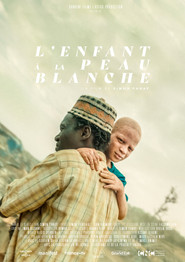
The Boy with White Skin
Entrusted by his father to a group of gold-miners, an albino child embodies all of their hopes.
Movie
1968•
7.0
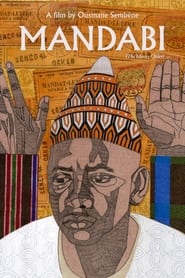
Mandabi
A money order from a relative in Paris throws the life of a Senegalese family man out of order. He deals with corruption, greed, problematic family members, the locals and the changing from his traditional way of living to a more modern one.

Movie
2018•
4.6
Angel
Thierry, a world-famous cyclist, meets Fae, a sex worker, on his holiday in Senegal, and they sense in each other the love they seek. However, Thierry's career disgrace and Fae's refusal to register with the authorities threaten their dream.

Movie
N/A
My Soul Is a Witness
In the heart of colonial Senegal, moving to the devastating battlefields of Europe during WWII, Awa and Ibrahim are a young couple whose lives are upended by war. Their love story takes a tragic turn when Ibrahim is conscripted and later presumed dead in 1940. Driven by love and hope, Awa embarks on a perilous journey to Paris in January 1942, seeking any trace of Ibrahim. She finds refuge in the Paris city mosque, alongside Jews evading Nazi persecution. However, her quest leads her to Auschwitz, where, in a twist of fate, she miraculously finds Ibrahim alive.

Movie
1988•
7.4
Camp de Thiaroye
A Senegalese platoon of soldiers from the French Free Army are returned from combat in France and held for a temporary time in a military encampment with barbed wire fences and guard towers in the desert. Among their numbers are Sergeant Diatta, the charismatic leader of the troop who was educated in Paris and has a French wife and child, and Pays, a Senegalese soldier left in a state of shock from the war and concentration camps and who can only speak in guttural screams and grunts.
Movie
N/A
The Missing Camel
Shocked by French président Nicolas Sarkozy’s claim that the African man has no history, filmmaker Cheikh N’diaye sets out to prove his royal heritage – tracing his grandfather’s path from Mauritania to Senegal, homeland of his warrior ancestors.

Movie
2024
From Africa: Pathways to the NBA
In a beach town on the coast of Senegal sits a basketball academy attended by the most promising players in Africa. Through the eyes of NBA Academy Africa’s players and staff, “From Africa: Pathways to the NBA” details stories of work on the court and in the classroom, the brotherhood that these star prospects have built, and their pursuit of the NBA dream.
Movie
2023•
6.6
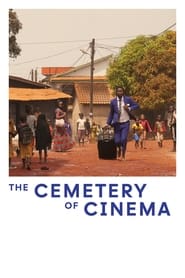
The Cemetery of Cinema
Thierno Souleymane Diallo sets out with his camera in search of the birth of filmmaking in Guinea. Charming and determined, he traces his country’s film heritage and history and reveals the importance of film archives.
Movie
1999•
6.6
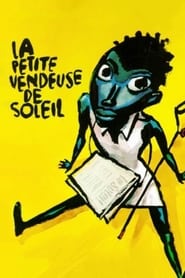
The Little Girl Who Sold the Sun
A young girl with a physical disability arrives in Dakar and challenges the convention of boys selling newspapers on the street.

TV
2019•
5.8
Sakho & Mangane
Two cops with very different methods, solving mysterious murder cases surrounded by black magic.
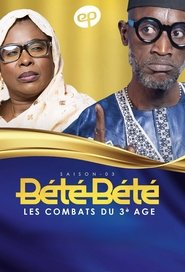
TV
2024
Bété Bété

TV
2020•
8.0
Wara

TV
2024
Playgame
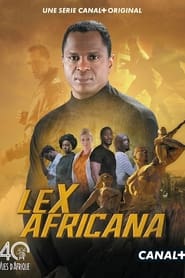
TV
2024•
9.0
Lex Africana

TV
2023
Quatre mariages pour une lune de miel Afrique

TV
2015
C'est la vie !
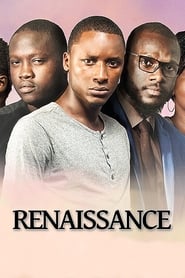
TV
2019
Renaissance

TV
2024
Jeux de dames
TV
2016
Idoles

TV
2025
Lakantane : la méduse
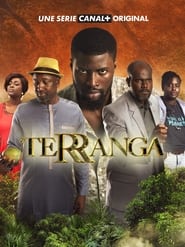
TV
2022
Terranga

TV
2025
Qui veut épouser mon fils ? Afrique

TV
2021
Manjak

TV
2025
Jombaajo

TV
2024
Cheri Coco
TV
2025
Doomu Baay
TV
2025
Fasséma
TV
2024
Djame et Fatoumata

TV
2020