Movies & TV Shows from Papua New Guinea
Movie
2025
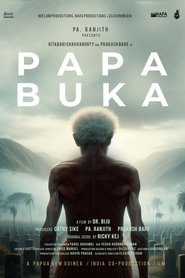
Papa Buka
Romila, Anand and guide Papa Buka journey through Papua New Guinea's remote villages, documenting WWII veterans' vivid memories of fighting against Japan, facing unexpected challenges along their quest.
Movie
2025
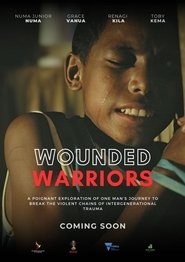
Wounded Warriors
A poignant exploration of one man’s journey to break the violent chains of intergenerational trauma.
Movie
2023
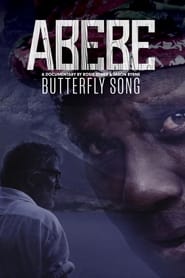
Abebe – Butterfly Song
In 1986, Melbourne musician David Bridie of the groups Not Drowning, Waving and My Friend the Chocolate Cake travelled to Papua New Guinea, where he heard the heartfelt sounds of George Telek and the Moab Stringband’s ‘Abebe’ (‘Butterfly Song’) on board a bus. It marked the beginning of a profound fascination with the nation and its rich culture – and of a bond with Telek that would last more than 30 years.

Movie
1977•
5.5
Yumi Yet
Documents Independence Day of Papua New Guinea on September 16, 1975, comparing the pageantry of local celebrations with the official ceremony in the capital. Also provides historical background about the area's 19th-century colonization by Holland, Germany, and Great Britain.
Movie
1991•
5.5
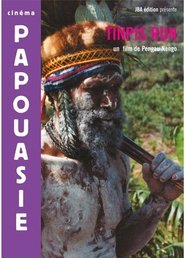
Tinpis Run
A man encounters colorful characters while driving a taxi in Papua New Guinea.
Movie
2013
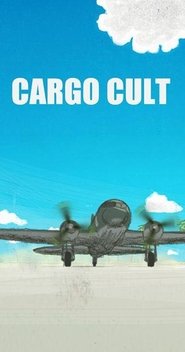
Cargo Cult
During the Pacific war on the coast of Papua New Guinea, the Papuans want to claim the god Cargo's gifts by developing a new rite.
Movie
1989
Breaking the Bush
Examines the destruction, waste, profiteering and corruption that is stripping Papua New Guinea of its forest resources. Interviews with villagers reveal how ordinary people have been taken in by the promises and propaganda of the logging companies.
Movie
1986
Quarantine
The aim of this film was to develop awareness of the dangers of infectious disease. Agriculture was beginning to rapidly intensify when overland refugees from West Papua posed a possible health problem, as they often brought their animals or crops with them. The hope was that people would be less confused by government quarantine initiatives and perhaps engage in their own monitoring.

Movie
2014
Yu Ken Mekim
Yu Ken Mekim is a story that resonates with many Papua New Guinean women going into business. It is a glimpse into the motivations, heart-aches and sacrifices women experience when deciding to do business. Rit Karre sold food on the streets of Goroka and now successfully runs the Steakhaus Restaurant. The film explores Rita's and her husband Peter's journey of fulfulling their dream.
Movie
2004•
7.0
Betelnut Bisnis
In the Highlands of Papua New Guinea, a grassroots family makes a precarious living by trading in betelnut, one of the world's most widely used narcotics. This is the story of resilient people who have few material possessions but who face each day with dignity and quiet determination. As they go about their daily work, the film presents us with a vivid portrait of present-day life in Papua New Guinea.
Movie
2020
Daddy
6-year-old Trish loves her daddy so much that she waits for him at the door every day to give him a cuddle as he returns from work. One day, the daily routine is broken, and one is left to bear it all. This film is a message about safety and family relationship.
Movie
2004
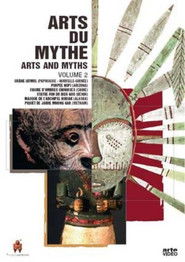
Crâne iatmul - La Mort n'en saura rien
For the Latmul of Papua-New-Guinea, the head is all the being substance. Therefore they conserve their cranes of their ancestors, which after being cleaned and modeled are painted like the dead.
Movie
2014
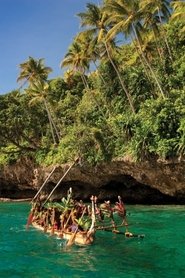
Kabelbel
Kabelbel follows a group of villagers as they are taught the art of canoe making and seafaring by clan elders. Intergenerational differences and a sense of social change emerge along the way, along with a profound sense of cultural pride. Shot entirely on the remote island of Masahet in Papua New Guinea’s New Ireland Province, Kabelbel captures the daily rhythm of contemporary village life and reveals with great nuance the importance of custom and tradition in a changing world.
Movie
2006
Picking up the Pieces: Bougainville
A story that uncovers the insanity of the ten years of violence which followed, and the terrible lasting impact of war on women, children and communities long after the killing has ended.
Movie
N/A
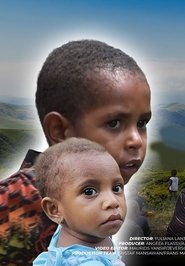
My Name is Refugee
My Name is Pengungsi (Refugee) follows the lives and families of two children, both named “refugee”, who were born and currently being raised in parts of West Papua distant from their families’ places of origin.
Movie
2019
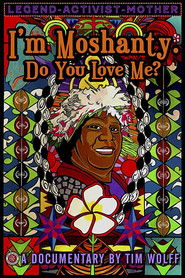
I'm Moshanty. Do You Love Me?
I'm Moshanty. Do You Love Me? is a musical profile of the late South Pacific recording artist and transgender activist Moses "Moshanty" Tau and members of the LGBTQI community of Papua/New Guinea.

Movie
2012
Canning Paradise
Decades of over-fishing by the global tuna industry have now pushed the final frontiers to the waters of Papua New Guinea. In the 1950s, the world was fishing out 400,000 tons of tuna each year. Today, this number is close to 4 million. And it comes at a high cost: a human one, now affecting the last places on earth to receive the full impact of globalisation. Set in "the land of the unexpected", in the north-eastern part of Papua New Guinea, this film follows the struggle of Indigenous tribes to protect their way of life, guarded by traditions dating back thousands of years. Many have lost hope, others are fighting for survival from their own corrupt government. They see their ancestral land taken away to make way for multinational corporations, in their quest to create the new tuna capital of the world. The question remains: is this type of development in the Pacific Bringing prosperity or poverty?

Movie
2000
Bridewealth for a Goddess
The film documents the last performance of the ritual for the fertility goddess Amb Kor, in the Western Highlands Province of Papua New Guinea. Shot over a period of approximately 15 years, the anthropologists and filmmakers have been participant-observers during a time of pivotal change for the clans of the Kavelka tribal group.
Movie
1996
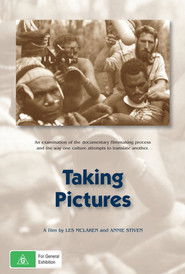
Taking Pictures
Before the 1970s, the Commonwealth Film Unit represented the people of PNG in a paternalistic way, as curiosities. The unit used pompous voice-overs telling viewers what they should believe. Les McLaren and Annie Stiven are two of a group of Australian filmmakers who have lived and worked in PNG during the past 25 years and who see their roles rather differently. Through their films, they have endeavoured to reflect Papua New Guineans' complexity of thought, language and culture, using a wide variety of filmic styles and techniques. The film features interviews with a variety of Australian filmmakers who have worked extensively in PNG, including Bob Connolly and Robin Anderson, Chris Owen, Dennis O'Rourke and Gary Kildea. This documentary is a fascinating tracing of PNG culture and history from the 1930s until today.
Movie
2014
Voice of Change
Voice of Change is set on Bougainville, an autonomous region of PNG coming out of a 10 year civil war. Humanitarian Sister Lorraine lived through the crisis emerging as a mediator to promote peace and reconciliation. Now she leads the Nazarene Centre, assisting individuals and families with their daily struggles, as Bougainville is not just re-building infrastructure, but its people.

TV
2019•
10.0
Ye Dil Mera
A man and a woman have different personalities and are polar opposites of each other. However, they share some undeniable chemistry that brews the beginning of a romance.
TV
2014
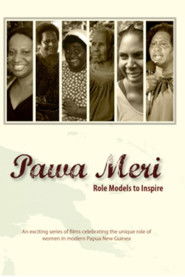
Pawa Meri: Role Models to Inspire
Pawa Meri (Powerful Women) is a six-part documentary series portraying the lives of six Papua New Guinean women who have each achieved extraordinary things in life. The women come from diverse backgrounds and represent a variety of themes relevant to development in PNG.
TV
N/A
Warriors in Transit
Warriors in Transit is a 1992 Papua New Guinea theatrical television series, written and directed by William Takaku and Albert Toro. It consists in eight episodes, lasting twenty-five minutes each. It was the first ever "broadcast-length drama wholly conceived and produced by Papua New Guineans". Its production cost approximately €125,000. The series "depicts political duplicity and the disintegration of a family in the Port Moresby settlements". Its central characters are parents who attempt, unsuccessfully, to look after their sick child. Takaku has stated that the parents' characters represent the Papua New Guinean government, while the child represents the nation.