Movies & TV Shows from Madagascar
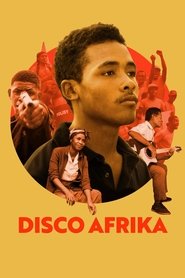
Movie
2025•
5.3
Disco Afrika: A Malagasy Story
Madagascar, nowadays. Kwame, 20, struggles to make a living in the clandestine sapphire mines. An unexpected event takes him back to his hometown. As he reunites with his mother and old friends, he finds himself confronted with the rampant corruption plaguing his country. He will have to choose between easy money and loyalty, between individualism and political awakening.
Movie
1996•
7.0
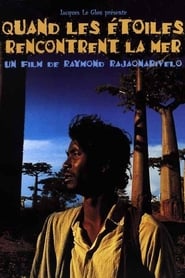
When the Stars Meet the Sea
The film traces the destiny of Kapila, an outcast child who had been deemed by his fellow villagers to have supernatural powers of destruction, because of the timing of his solar eclipse birth.
Movie
2004•
7.0
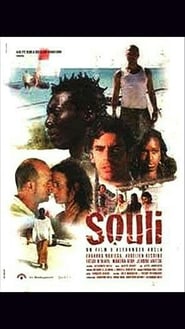
Souli
Somewhere on the African continent in a small fishing village cut off from the rest of the world, the lives of five people are caught in a web of violence and passion. Loosely based on Othello, an exploration of the bonds between the West and Africa and between appearance and reality.

Movie
2015
Wrong Connection
The Malagasy government discovers an unlikely revolutionary weapon, made of artisanal rum and water from Lake Anosy (the most polluted lake in the country) and decides to sell it to the highest bidder in order to improve the country's economy. By the greatest of coincidences, North Korea wins the auction, and the entire geopolitical balance of the world is upset. The incredible parody from the Red Island!

Movie
2006
Tanamania
A moving story in which the characters face difficult choices and unexpected challenges, Tanamania 3 remains a classic beloved by fans of Malagasy cinema.

Movie
1974•
6.0
The Return
"The Return" deals with rural exodus, the return to the land, the antagonism between two worlds: that of urban dwellers and of the rural areas deeply rooted in tradition. Ranaivo lives in Antananarivo. To make ends meet, he sells ice lollies. his father, Ratovo, comes to the capital to ask for his son’s help. he needs money to organize the turning of the dead ceremony. After the village celebration, Ranaivo decides to leave the capital and emigrates to the highlands where everything is open to those who want to get back to the land.
Movie
2019
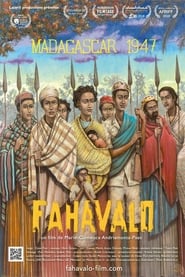
Fahavalo, Madagascar 1947
When Malagasy soldiers came back from WWII, they expected De Gaulle to give them independence for fighting along with France against Nazis. Instead, they were asked to return to their indigenous status. They soon became the leaders of an uprising, harshly repressed by the French colonial authorities. The last witnesses tell us about their long months of resistance.
Movie
2001•
6.7
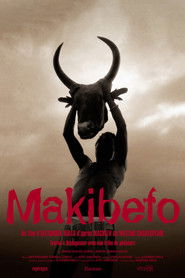
Makibefo
Macbeth, the Thane of Glamis, receives a prophecy from a trio of witches that one day he will become King of Scotland. Consumed by ambition and spurred to action by his wife, Macbeth murders his king and takes the throne for himself.

Movie
2020•
8.0
Zaho Zay
A young woman works as a prison guard in a hopelessly overcrowded jail in central Madagascar. She passes the time daydreaming about her father, a murderer, who abandoned her as a child after killing his own brother. In her imagination, her father becomes a mythical killer, wandering the countryside and rolling enchanted dice to decide the fate of his victims. Secretly, she yearns for the day her father will turn up amongst the prisoners. When a new inmate arrives claiming to know her father, her fantasies begin to turn to nightmares.
Movie
N/A
Mada Underground
Movie
2023
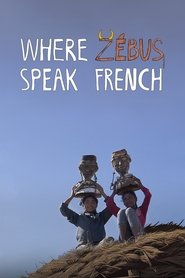
Where Zebus Speak French
Does farmer Ly have dealings with the Chinese, who have recently been tampering with the infrastructure of the village of Sitabaomba, not far from the Malagasy capital of Antananarivo, director Nantenaina Lova asks as bluntly as mischievously. Ly denies it. However, it becomes increasingly clear in the course of “Where Zebus Speak French” that the various development measures, often introduced by foreign initiatives and fuelled by corrupted politicians, also affect him.

Movie
2018
L'Opéra Hira Gasy de Madagascar
Opera artist Hira Gasy from Madagascar, Emeline Raholiarisoa tells the story of this unique art that an international group is proposing to include as a UNESCO World Heritage Site. Born in an artist's village, the author evokes the life of the troupe founded by her father Ramilison (known as Dadamily, Basigara) and more than six centuries of history of her country. The film is also haunted by death: many of the people filmed died of illness or road accidents, because in Madagascar, the health system is in ruins, the bush taxis are rolling coffins, and the drivers, who most often have bought their license, know neither the code nor safe driving. Why so many deaths? In this country, if you are not rich, and you are injured or sick, you die. A rebellious film that invites us to change things profoundly in the largest island in the Indian Ocean.
Movie
1944
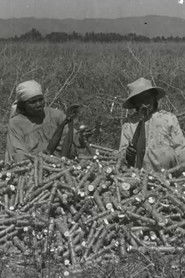
La chanson du manioc
Documentary about the cultivation of cassava, a plant used to make tapioca. The film begins with a presentation of Madagascar and its capital Tananarive, then shows us how cassava is grown.
Movie
2019
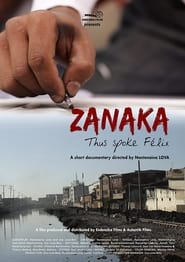
Zanaka, Thus Spoke Felix
"If some want to perpetuate colonization, Malagasy people must oppose a strong no, whoever the colonists are » . Thus spoke Felix Robson, deported during the anti-colonial insurrection of 1947.

Movie
1989•
6.4
Tabataba
Tabataba tells the story of a small Malagasy village during the independence uprising which took place in 1947 in the south of the country. For several months, part of the Malagasy population revolted against the French colonial army in a bloody struggle. The repression in villages that followed was terrible, leading to fires, arrests and torture. Women, children and the elderly were the indirect victims of the conflict and suffered particularly from famine and illness. One leader of the MDRM Malagasy Party, which campaigns for the independence of the country, arrives in a village. Solo (François Botozandry), the main character, is still too young to fight but he sees his brother and most of the men in his clan join up. His grandmother, Bakanga (Soavelo), knows what will happen, but Solo still hopes his elder brother will return a hero. After months of rumours, he sees instead the French army arrive to crush the rebellion.
Movie
2019
Thus Spoke Felix
If some want to perpetuate colonization, Malagasy people must oppose a strong no, whoever the colonists are » . Thus spoke Felix Robson, deported during the anti-colonial insurrection of 1947.

Movie
2010
Malok'ila 9
Ralay was behind all the trouble that was causing chaos in Pastor and Rajao's home. The parents are the ones fighting, but the children are the ones who end up being hurt.

Movie
2024
The Wage of Thirst
Samneto, a young orphan, sells water to pay for his studies and survive. The region he lives in, near Belfike, in Madagascar, is experiencing a severe drought: according to him, it has not rained for three years, which forces him to dig up to three meters deep to get water – which was previously accessible from river pumps. The meager revenue collected by our witness barely allows him to survive...
Movie
2005•
4.5
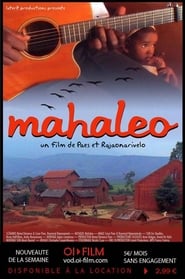
Mahaleo
Mahaleos voices and music have accompanied the people of Madagascar ever since the collapse of the colonial regime. Yet, even after 30 years of success, the groups seven musicians still keep their distance from the world of show-business, and remain deeply committed to helping their countrys development; their professions range from surgeon to farmer, physician to sociologist and member of parliament. Accompanied by the groups rhythmic melodies, the film follows the singers through their daily lives, giving us a glimpse of the far-reaching social and economic problems of the Malagasy people. The combined talents of the Brazilian, Cesar Paes, and the Malagasy, Raymond Rajaonarivelo, have produced a work that is both ethereal and concrete, poetic and political.

Movie
2020•
6.0
Haingosoa
Haingo, a young single mother from Madagascar, struggles to pay the school fees of her six-year old daughter. A dance company proposes her a contract for a trial period. Haingo grabs this chance, leaves her family and moves to the capital city, Tananarive. She has only a few days to learn a choreography that is completely new to her.