Content from Wytwórnia Filmów Oświatowych
Movie
1970
Przygoda Stasia
The action takes place in the Polish countryside in the second half of the 19th century. The main character is a few months old Staś, son of the blacksmith Józef and Małgorzata, from whose perspective we see the conflict of his parents with the local organist.
Movie
1984
Sąd nad Braćmi Polskimi
A docu-fiction movie portraying the Polish Brethren religious group over the years.
Movie
1980•
6.0
"Ty pójdziesz górą..." (Eliza Orzeszkowa)
A film from the "Silhouettes of Polish Literature" series
Movie
1988
Chłopski los - tryptyk filmowy
The film, which was shot in the summer of 1981, was not edited until 1988. A triptych addressing the problems of the Polish countryside, depicting the fate of peasants in post-war Poland, from the decree on reform through all the turning points: 1956, 1970, and finally May 12, 1981—the day "Solidarność Wiejska" (Rural Solidarity) was registered.
Movie
1974
Georg Philipp Telemann’s Travels from Żary to Pszczyna
It is a film journey tracing the footsteps of a German composer, Georg Philip Telemann, who was appointed a chapel master at the court of Count Erdmann II of Promnitz at Żary where he became fascinated with Polish folk music. The most memorable scene shows the stages of a hot-air balloon ascent. They could be shot thanks to a special camera and an external viewfinder attached to a wide-angle lens.
Movie
N/A
Dziwny świat Thomasa Puckey'a
Movie
1980•
4.0
Mysz
One of the classes of the Warsaw high school boycotts the test in chemistry lessons. A schoolgirl who has not succumbed to pressure from her peers becomes the target of their revenge.
Movie
1989
Nieskończoność dalekich dróg. Podsłuchana i podpatrzona Zofia Rydet
Andrzej Różycki's film is not only a portrait of Zofia Rydet, a female artist, and her working methods, but also a capture of maturity and great passion. Rydet lets the viewer into her world, allowing them to observe her and peek in without restrictions. With great calm, she talks about the anxieties that accompany old age, the inevitable processes associated with it, which, however, are unable to stop her enormous desire to capture moments that pass irretrievably. Rydet's mission is endless, just as the roads she photographed are endless. The artist's skills were a way of life for her; thanks to them, she created, got to know people, saw beauty, shared it, loved, observed the changing landscape, and communicated everything that words cannot express.
Movie
1978
Poza układem
The young speedway rider wants to represent the country in the world championship. However, the coaches choose another player.
Movie
1979
Na to wszystko trzeba popatrzeć z tej drugiej, pogodniejszej strony
Movie
2025
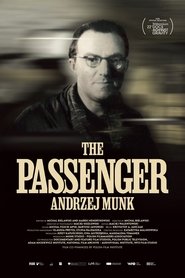
The Passenger Andrzej Munk
The documentary dedicated to Andrzej Munk, a leading creator of the Polish Film School, was created based on unique archival materials. They made up a story about a man immersed in history, his artistic evolution and the emotions accompanying this process.
Movie
1982•
6.0
The Causes of Drug Addiction
A scripted documentary. The authors speak with primary school pupils on substance dependence.

Movie
1978•
5.2
Working Women
Stylized with dramatic interiors and a distorted frame rate, this early documentary miniature from Szulkin depicts six sequences of solitary, repetitious labor.
Movie
1969
Nie pal papierosów!
Movie
1991
Człowiek ze studni
The documentary presents the presidential election campaign in Poland in 1990.
Movie
1987
Ludożerca
Movie
1975
Dostojeństwo rodzinnego domu
A critique of consumerist life.
Movie
1988
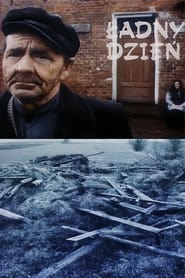
A Nice Day
Among Jan Jakub Kolski’s short films, critics assign special significance to “Ładny dzień / A Nice Day”, which tells the story of two elderly people who spend their time taking care of their old horse.
Movie
2024
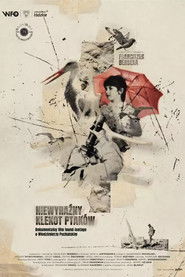
The Faint Clatter of Birds
In 1978 Włodzimierz Puchalski sets off for Antarctica to fulfil his dream. The structural axis of the film is Puchalski's sea voyage to Antarctica, which was aborted by his death on 19 January 1979 on King George Island. It is interwoven with Puchalski's relationship with his daughter.
Movie
1983•
7.7
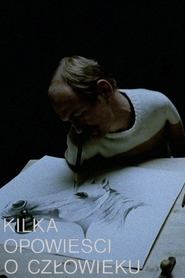
A Few Stories About a Man
The film is a portrait of Jerzy Orłowski, an armless graphic artist. Impressionistic scenes present the protagonist in various situations: when he has to deal with everyday chores, when he jumps into water, skis and draws. Even the simplest activity requires struggle, resilience and outstanding fitness from him. Many takes are in slow motion, contemplating the smallest detail, which the director is so skilfully able to bring out.