Content from Taiwan Public Television Service Foundation

Movie
2001•
6.0
Betelnut Beauty
A cute coed leaves her mother's home and gets involved with a pastry chef who has links to the local criminal element.
Movie
2005
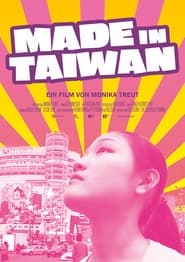
Made in Taiwan
Yi-Chun loves dancing. She attends ballet classes at her high school, with a lot of discipline, even if the exercises are painful. "Made in Taiwan" is a sensitive portrait of a 17-year-old Taiwanese girl who shares her very personal worries and joys with us. The young woman loves to eat, but every intake of food is watched suspiciously by her family; the slightest weight gain is a hindrance to her dancing career. Her voice-over tells of her school day, which is subject to a strict dramaturgy: the alarm clock rings at 5:45 am, she is often not home until 7 pm, then she does her homework, takes a shower and goes to bed - she has neither time nor energy for a boyfriend. The annual school trip to the seaside is the perfect escape from the routine: karaoke on the bus, sweets and a fairground make for a good atmosphere. Monika Treut observes the youthful hustle and bustle without judging it, always keeping a careful eye on her protagonist's face.
Movie
2018•
6.1
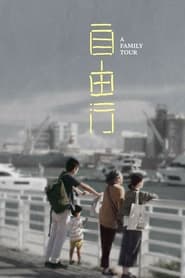
A Family Tour
A mainland Chinese filmmaker, exiled to Hong Kong for her politically-charged work, reunites with her mother on a trip to Taiwan.

Movie
2011
Where are you?
Movie
2016•
5.0
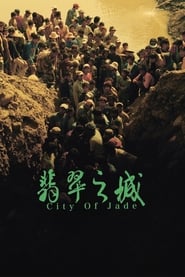
City of Jade
Midi Z visits his oncle who works as a jade miner.

Movie
2018•
5.4
14 Apples
Wang Shin-hong is suffering from insomnia. A fortune teller advises the Mandalay businessman, whose car and bulging wallet suggest that business is going pretty well, to spend 14 days in a monastery, living life as a monk and eating an apple a day. Such a thing is possible in Burma today. Wang Shin-hong arrives at the rural monastery, has his head shaved and dons a red robe, in which he instantly becomes an authority. During the welcome procession, the village women, their poverty clear from their clothing and the huts in the background, put more than they have in his alms bowl. During his fleeting role as their advisor, Wang Shin-hong soon learns of the villagers’ attempts to survive and make a living as legal or illegal migrants in China, Thailand or Malaysia. He also finds out how the other monks try to generate profit and additional income.
Movie
2020
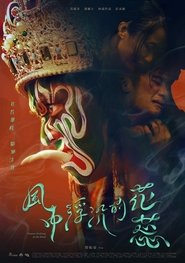
Floating Flowers in the Wind
Movie
2011
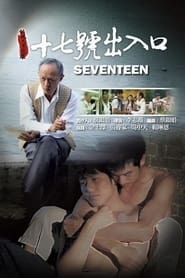
Seventeen
Xue Ping, an out of town war veteran and Ahong a high school night school student both take the train to visit Taipei and wander around Taipei city, spending a strange and chaotic day. From time to time these two people's lives intersect. When the sun sets, they finally run into each other, stirring up the drama, and the revelation of a sixty year old sad and beautiful gay love story.
Movie
2021•
6.5
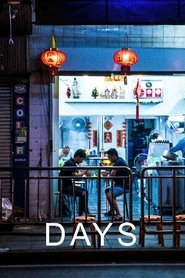
Days
Kang lives alone in a big house, Non in a small apartment in town. They meet, and then part, their days flowing on as before.
Movie
2016
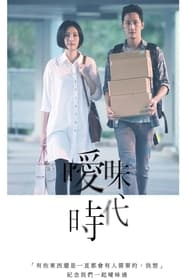
曖昧時代
Movie
2023
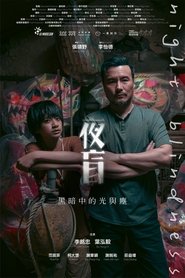
Night Blindness
Thirteen-year-old Chuan becomes an orphan after his father dies while fishing. Not getting along with his uncle, he runs away from home and temporarily lives in Zhu's temple. A group of conservators come and the leader Hei drives Chuan away. Chuan plots revenge but accidentally discovers the secret of Hei’s night blindness. The two lonely souls thus begin living together in the attic…
Movie
2017
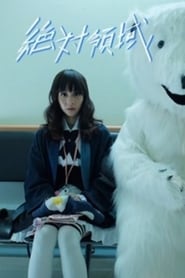
Absolute Territory

Movie
2007
Puppets
Wei-Lun is a senior high school student in Taipei. His daily life revolves around school, cram school, and home—or he’s on the way between these places. The only time he can catch his breath is during that short break between school and cram school, when he sneaks off to an internet café. He doesn't take exams very seriously, nor has he ever thought deeply about anything. He simply drifts through each day, living a monotonous and unchanging routine. The future seems distant and unreal. As long as he's with his friends, it feels like these youthful days will go on forever—doesn’t it?
Movie
2025
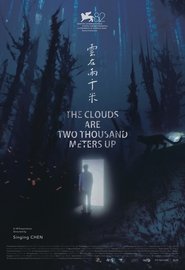
The Clouds are Two Thousand Meters Up
After the sudden death of his wife, Guan discovers her unfinished novel—a tale intertwining the endangered clouded leopard and the Rukai tribe’s sacred origin myth, which tells of their descent from the elusive animal. Grief-stricken and seeking connection, he sets out on a surreal journey into dreamlike scenes—a maze of the subconscious, mist-shrouded forests, ancient tree hollows, and symbolic inner landscapes.
Movie
2018
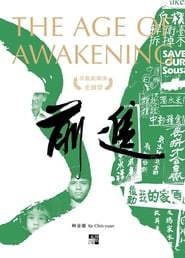
The Age of Awakening
This film re-examines major environmental movements and events in Taiwan from the 1980s to 2018, including the protest against LCY Chemical Corp in Hsinchu, anti-DuPont movement in Lukang, movement against the expansion of petrochemical industry, anti-nuclear and anti-air pollution protests. It is a compilation of over 30 years of documentary footage and interviews of those who took part in the protests.
Movie
2009
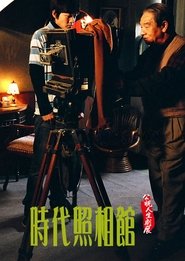
Time Lapse
In an old photography studio, an old man and a group of young men meet. The old man has seen everything, but is determined to live a full life until the very end. The young men have just begun their lives, but feel aimless, lost and insecure. One man's story is ending, while the young men's stories are just beginning. Between their differences, a lesson on life is found.
Movie
2011•
8.0
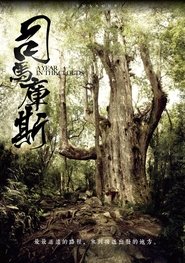
A Year in the Clouds
High in the mountains of Taiwan, is the remote village of Smangus. Inhabited by a unique group of indigenous people called the Tayal, Smangus is the only place in Taiwan that now practices common ownership of land and property. This is a place where nature and man have found balance. Now, witness every part of the lives of these people, through pain and joy, and experience the unique bonds formed with the ancient trees around them, in a film that documents A Year In The Clouds - a year amongst the sacred forests of this tribe.
Movie
2022
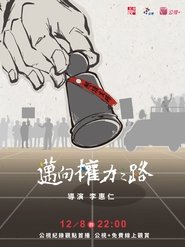
Zero To Zero
A documentary about Taiwanese legislator.
Movie
2022
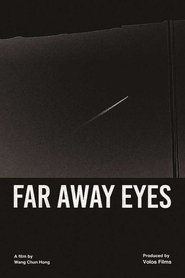
Far Away Eyes
A young photographer wanders through the city as Taiwan is preparing for the presidential election. Constantly questioning his talent as an artist, he suffers from the uncertainty facing his future as he is about to turn 30 - a watershed age in one's life according to traditional Taiwanese culture. His accidental encounter with an ex-girlfriend propels him to reconsider his past, present and future in the river of time.
Movie
2006
The Monster Is Coming
Since Taiwan’s opening of cable TV in 1993, the number of channels has increased by 30 times, including 8 24-hour news channels. TV news and newspapers are trying to fight for ratings, grab advertisements, invade people’s privacy, make up for news, and seduce gossip. Is there really no cure for this media monster that is damaging the eyes of the audience? Is publicization the last salvation for the failure of the media market? Through the interviews of a number of audiences from all walks of life and the experience of frontline journalists, this film combines the context of the media reform movement to sort out the root causes of media chaos and the possibility of prescribing the right remedy.
TV
2019•
8.8
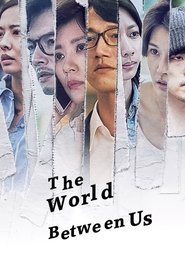
The World Between Us
A ten-part hour-long series that follows the aftermath of a mass-shooting where all parties involved - the killer, the victims, the victims’ families, the media and the defense teams, whose fates are all intertwined.
TV
2024•
8.1
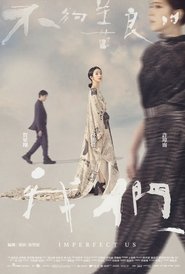
Imperfect Us
Chien Ching-fen, having attained all her life goals, begins to question the true nature of happiness. Realizing that achieving happiness often involves suffering, she seeks out new challenges. Her curiosity about her former rival, Rebecca, leads her to explore whether suffering is the path to lasting fulfillment.

TV
2020
36 Questions
TV
2025
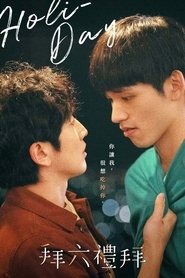
Holi-Day
The story starts with three women’s derailed lives. From chaos, self-healing, to self-discovery, after experiencing all kinds of unexpected situations, they remain true to themselves along the way, achieving transformation and growth.
TV
2015•
8.4
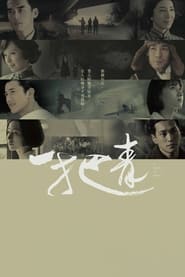
A Touch of Green
The drama tells the story of air force pilots and their families from 1945 to 1971. As the husbands embarked on patriotic missions to fight against the enemies, their families must content with horror of wars, mass emigration to distant land, and death of love ones. Their shared experience brought the military families together to support one another.
TV
2003•
5.5
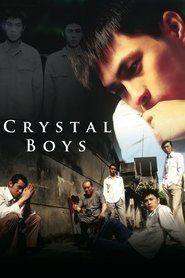
Crystal Boys
In a city that won’t accept him, A-Qing finds others like him—under the neon shadows of Taipei’s New Park.

TV
2018•
7.5
On Children
Adapted from the novel by author Wu Hsiao-Le, the series consists of five independent stories about parenting, as well as children's pressures of growing up, when faced with the tragic consequences of social pressure, parental oppression and family dysfunction. Each story is told in two parts in this ten-part series.
TV
2021•
8.6
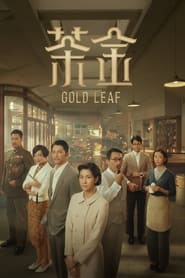
Gold Leaf
In 1949, the only daughter of the largest tea factory in Taiwan was supposed to marry a man to take over her life and her father’s huge business. After she divorced, who was her own master became a question. To prove her worth, she intervenes in the family business that was in high debt. In an era when there was no "businesswoman", she led the crumbling tea factory to the world in the "tea wars”.

TV
2013
阿婆的夏令营
TV
2010•
9.5
Year Of The Rain

TV
2019•
10.0
see you at the market!
It is not only a program documenting food, but also stories about fantastic people and places. Following the footsteps of Professor Afro and his guide with a sense of immersion, you are extending your five senses to experience lives in the most representative and old markets around Taiwan. In this season, you can experience local culture, people’s hospitality and the marvelous fun from regional cultural representative traditional markets, small local life markets.