Content from Ministério da Cultura/Governo Federal
Movie
2025•
6.7
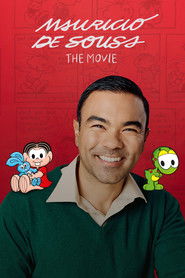
Mauricio de Sousa: The Movie
Discover the story of the father of the gang: Mauricio de Sousa, Brazil’s most important comic artist, and how he created his most famous characters. Responsible for bringing to life iconic figures that have marked generations, the film stars Mauro Sousa, the artist’s son. The production follows Mauricio’s journey from childhood, through his discovery and passion for comics, to the creation of a career once considered impossible and his adventures to make a living and achieve professional success.
Movie
2025•
10.0
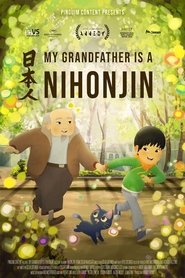
My Grandfather Is a Nihonjin
Noboru is a 10-year-old boy in search of his cultural identity. He turns to his grandfather Hideo, to find out more about his family. Despite always avoiding his past, his grandfather agrees to tell his story. As Noboru delves into his family history, he discovers he has an uncle he’s never heard about.

Movie
1973
Os Brasileiros e a Conquista do Ar
The first Brazilians who engaged in aviation, from Bartolomeu Lourenço de Gusmão with his hot air balloon to Alberto Santos Dumont, giving Brazil a prominent place in aviation. The creation of the Military Air Mail (CAM) and the Brazilian aviation industry. Commemoration of the centenary of the birth of Santos Dumont. The house where Santos Dumont was born; Bartolomeu Gusmão (Santos - SP); small hot air balloon Júlio César Ribeiro de Souza; 1881: his Victory balloon flies in Paris; Augusto Ribeiro; Santos Dumont: the balloon in the Torre Eifel, the 14 bis, the 'Demoiselle': real scenes of the time. Edu Chaves flies the Rio-Buenos Aires route in the 1920s. Current era: manufacture of the Bandeirante (assembly line). President Médici flies in the first Bandeirante; Xavante and Ipanema, Universal, rego elo and other models manufactured by Embraer in São José dos Campos.
Movie
1975
Teatro Brasileiro: Origem e Mudança

Movie
1975•
5.0
Cantos de Trabalho - Mutirão
Between 1974 and 1976, while researching for his filme "S. Bernardo", Leon Hirszman shot three documentary shorts produced by the Brazilian Ministry of Education on the chores of the men who worked in the sugar cane fields in the town of Feira de Santana, in the cocoa fields of Itabuna, and in the efforts of building households in Chã Preta.

Movie
2025•
5.0
Mouth Watering
The plot follows a couple isolated on a sort of farm. Without internet or television, they prepare a game of seduction, where the main weapon is gastronomy. Cooking for each other, the characters reveal their secrets.

Movie
1974
O Conjunto Arquitetônico do Pelourinho
Movie
1977
Flagrantes da Vida Rural: Fazendas Clássicas

Movie
2025•
7.1
The Best Friend
Two great friends meet again after five years. Among so many things that have changed, the resumption of the bond awakens an old feeling for which they remain unprepared.
Movie
2024•
8.0
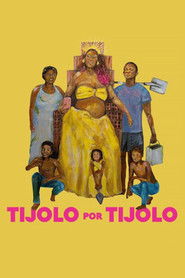
Brick by Brick
Cris and her family, residents of Ibura, on the outskirts of Recife, had to abandon their home due to the risk of collapse at the beginning of the COVID-19 pandemic. Pregnant with her fourth child and fighting for a tubal ligation, Cris works as a digital influencer while the family rebuilds their home.
Movie
1975
Teatro Brasileiro: Novas Tendências
Movie
1973
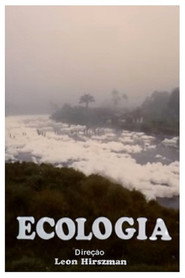
Ecologia
This film denounces the exploitation of natural resources by certain industries of extraction and transformation. This documentary is considered as the first Brazilian film on this theme.

Movie
2012•
7.7
My Friend Nietzsche
11-year-old Lucas finds a philosophy book by Nietzsche in the city dump, discarded by its previous owner. This improbable meeting will be the beginning of a violent revolution in his mind, within his family and within society. In the end, Lucas will be no longer a boy -- He will be dynamite.
Movie
1974
A Fábula da Festa no Céu

Movie
1973
Ensino de 2º Grau

Movie
1973•
6.3
Megalopolis
An analysis of the phenomenon of accelerated urbanization in Brazil, and more particularly in Rio de Janeiro and Sao Paulo.
Movie
1959
A commercial Vila dos Lençóis

Movie
1973
Oswaldo Cruz
The film documents the old Rio de Janeiro and its great focus of diseases. Stresses the decisive importance of Oswaldo Cruz who creates Experimental Medicine in Brazil, believing that without sanitation, no undertaking could succeed. Rodrigues Alves then started the urbanization of Rio, against great interests.

Movie
1974
Rendeiras do Nordeste
Movie
N/A
Escola Sem Muros
The film tells the real story of a public institution in São Paulo that, after being marked by violence, became a reference in education.
TV
1977•
8.0